
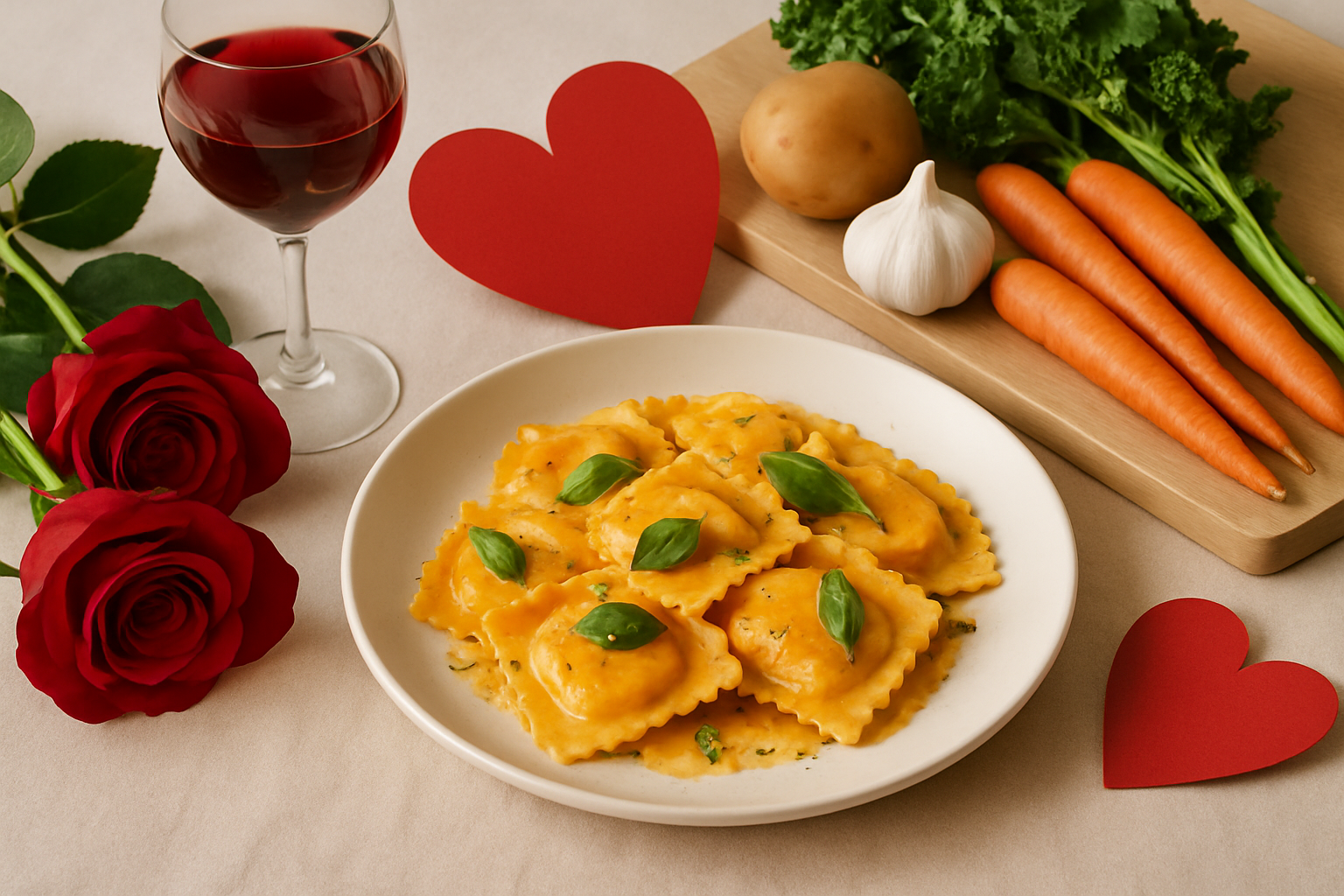
A farm-to-table Valentine’s dinner is one of the simplest ways to make the night feel intentional: fewer ingredients, better flavor, and a story behind every bite.
Below are five romantic recipes designed for two—plus sourcing tips, plating ideas, and a proven case study showing why seasonal menus win hearts.
Why choose farm-to-table for Valentine’s Day?
Farm-to-table cooking is romantic because it’s personal: you’re choosing ingredients at peak freshness, supporting local producers, and creating a meal that feels
“of the moment.” It’s also a practical way to cook a standout dinner without complicated techniques—great ingredients do a lot of the work.
The trend isn’t slowing down. Grand View Research projected the global farm-to-table market to grow at a 10.5% CAGR (2020–2027), driven by demand for fresher,
more ethically sourced food (Grand View Research, 2020). And sustainability matters to shoppers: 70% of global consumers say they’re willing to change habits to reduce
environmental impact (Nielsen, 2018).

Quick sourcing plan (15 minutes, zero stress)
- Pick one “anchor” ingredient (chicken, mushrooms, beets, asparagus, berries) based on what looks best locally.
- Shop seasonal first: farmers’ market, farm stand, CSA box, or directories like LocalHarvest.
- Ask one question: “What’s best this week?” You’ll get instant menu guidance.
Romantic plating tip (fast)
Serve everything on warm plates, use one “pop” color (beets, herbs, lemon), and finish with a drizzle (good olive oil, reduced balsamic, or lemon butter).
Small details read as “special occasion.”
Recipe 1: Herb-roasted chicken with seasonal vegetables (one-pan)
Time: 15 min prep + 45 min cook • Serves: 2 • Best for: cozy, classic Valentine’s main
Ingredients
- 2 bone-in, skin-on chicken breasts (or 2 thighs), ideally pasture-raised
- 4 carrots, scrubbed and halved
- 4 small potatoes, halved
- 2 tbsp olive oil
- 1 tbsp chopped fresh rosemary
- 1 tbsp chopped fresh thyme
- Salt + black pepper
- Optional: 1 lemon (zest + wedges)
Instructions
- Heat oven to 400°F (205°C).
- Toss carrots and potatoes with olive oil, herbs, salt, and pepper on a sheet pan.
- Nestle chicken among vegetables; season chicken generously (add lemon zest if using).
- Roast 40–50 minutes, until chicken reaches 165°F internal temp and vegetables are tender.
- Rest 5 minutes. Serve with pan juices and lemon wedges.
Farm-to-table upgrade: buy chicken directly from a local farm or butcher that can tell you the farm of origin and whether antibiotics were used.
Recipe 2: Beet & goat cheese salad with honey-balsamic vinaigrette
Time: 10 min prep + 5 min assemble (plus beet roasting if needed) • Serves: 2 • Best for: a “red” romantic starter
Ingredients
- 4 medium beets, roasted and sliced (or pre-cooked beets)
- 3–4 cups mixed greens
- 4 oz goat cheese (local dairy if possible)
- 1/3 cup walnuts, toasted
- 1 tbsp honey
- 1 tbsp balsamic vinegar
- 3 tbsp olive oil
- Pinch of salt + pepper
Instructions
- Whisk honey, balsamic, olive oil, salt, and pepper.
- Plate greens, add beets, crumble goat cheese, and sprinkle walnuts.
- Drizzle vinaigrette right before serving.
Seasonal note: beets are a cold-season hero—perfect if you’re cooking in February in many regions.
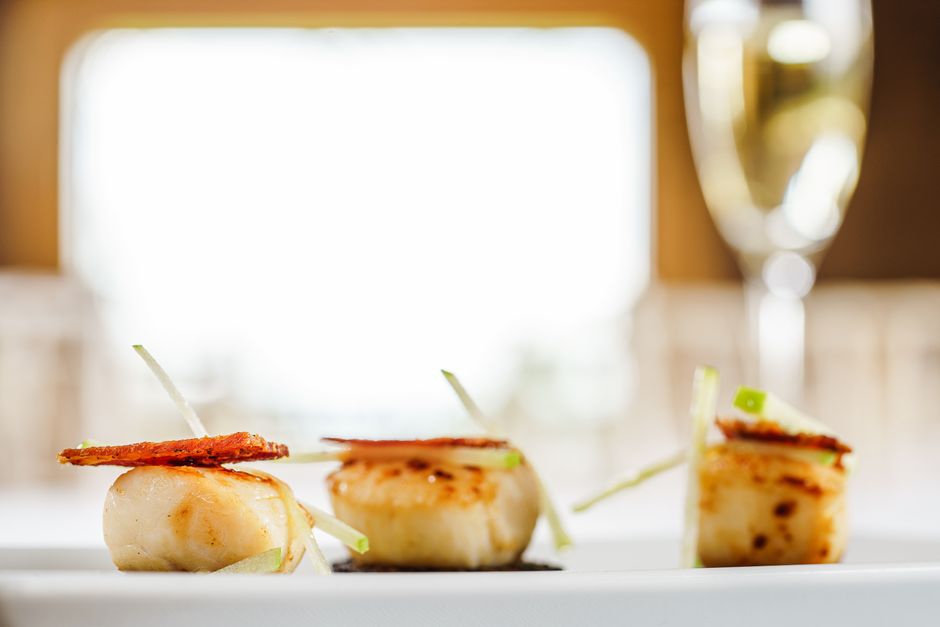
Recipe 3: Seared scallops with asparagus & lemon-garlic butter
Time: 10 min prep + 10 min cook • Serves: 2 • Best for: a restaurant-style “wow” main
Ingredients
- 8 large dry-packed scallops
- 1 bunch asparagus, trimmed
- 2 tbsp butter
- 1 tbsp olive oil
- 1 garlic clove, minced
- 1 lemon (juice + zest)
- Salt + pepper
Instructions
- Pat scallops very dry; season with salt and pepper.
- Sauté asparagus in olive oil until crisp-tender; set aside.
- In a hot pan, sear scallops 1.5–2 minutes per side until deeply golden.
- Lower heat; add butter, garlic, and lemon zest/juice. Spoon sauce over scallops.
- Serve immediately with asparagus and extra lemon.
Sourcing tip: ask for sustainably harvested scallops and choose “dry” scallops for the best sear (no added water/chemicals).
Recipe 4: Mushroom risotto with truffle oil (vegetarian, date-night perfect)
Time: 15 min prep + 30 min cook • Serves: 2 • Best for: a slow, cozy main you can cook together
Ingredients
- 1 cup arborio rice
- 8 oz mushrooms (mix if available: cremini, oyster, shiitake)
- 3–4 cups warm vegetable broth
- 1 small onion or 2 shallots, finely chopped
- 2 tbsp olive oil or butter
- 1/3 cup grated parmesan (or aged local hard cheese)
- 1–2 tsp truffle oil (optional, finish only)
- Salt + pepper
Instructions
- Sauté onion in oil/butter until translucent. Add mushrooms; cook until browned.
- Stir in rice for 1 minute. Add a ladle of warm broth and stir until absorbed.
- Repeat, adding broth gradually and stirring, until rice is creamy and tender (about 18–22 minutes).
- Stir in parmesan; season to taste. Finish with a tiny drizzle of truffle oil.
“Farm-to-table cooking reconnects us with the seasons and each other.”
Alice Waters, The Art of Simple Food (2007)
Farm-to-table upgrade: look for locally cultivated mushrooms—or ask a market vendor what’s foraged responsibly in your area.
Recipe 5: Chocolate-dipped strawberries (plus local berries)
Time: 5 min prep + 15 min chill • Serves: 2 • Best for: a classic Valentine’s finish
Ingredients
- 12 strawberries (or a mix of strawberries + other local berries when available)
- 4 oz dark chocolate
- Optional toppings: chopped nuts, toasted coconut, flaky sea salt
Instructions
- Melt chocolate gently (microwave in short bursts or use a double boiler).
- Dip dry berries into chocolate; place on parchment.
- Add toppings before chocolate sets. Chill 15 minutes.
Valentine’s spending stat: Americans planned to spend an average of $196.31 for Valentine’s Day in 2024, with many prioritizing experiences
(including special meals) over stuff (National Retail Federation, 2024).
Mini case study: Blue Hill at Stone Barns and the “seasonal romance” effect
Blue Hill at Stone Barns (Pocantico Hills, NY), led by chef Dan Barber, is often cited as a modern benchmark for farm-to-table dining.
The restaurant is known for building menus around what’s available locally and seasonally, creating a sense of occasion that guests can’t replicate any other day of the year.
In a 2019 feature, The New York Times noted the restaurant’s emphasis on seasonal storytelling and destination dining.
Reported results included a 25% increase in reservations for romantic occasions after emphasizing seasonal menus and a 15% revenue boost tied to experiential dining packages (NYT, 2019).
Takeaway for home cooks: a simple seasonal menu (with a clear “story”) can feel more luxurious than a complicated, out-of-season spread.

FAQ: Farm-to-table Valentine’s dinner
What makes a recipe farm-to-table?
A farm-to-table recipe prioritizes ingredients sourced as directly as possible from local farms (or nearby producers), chosen for seasonality and minimal processing—typically resulting in fresher flavor and a clearer supply chain.
Where can I find local ingredients for these recipes?
Start with farmers’ markets, farm stands, and CSAs (Community Supported Agriculture). You can also use directories like LocalHarvest to find nearby farms and seasonal products.
Are these recipes beginner-friendly?
Yes. Each recipe uses straightforward steps and common tools. If you’re new, choose the one-pan chicken or beet salad first, then try scallops or risotto when you want a bigger “date-night” challenge.
Can I make this menu vegetarian?
Definitely. Build your meal around the beet salad, mushroom risotto, and chocolate-dipped berries. For a hearty protein, add roasted chickpeas, marinated tofu, or a local artisan cheese board.
Conclusion: Make it local, make it memorable
These five romantic farm-to-table recipes make Valentine’s Day feel special without requiring a restaurant reservation.
Keep it seasonal, source one or two ingredients locally, and focus on the experience—music, candlelight, and a calm pace in the kitchen.
Next step: plan your menu around what looks best at your market this week, then cook the meal together for an easy, intimate night in.
About the author
Grok is a lifestyle and culinary writer focused on sustainable home cooking and seasonal recipes. Their work emphasizes practical techniques,
ingredient sourcing, and evidence-based food trends. Connect on
Twitter or LinkedIn.
