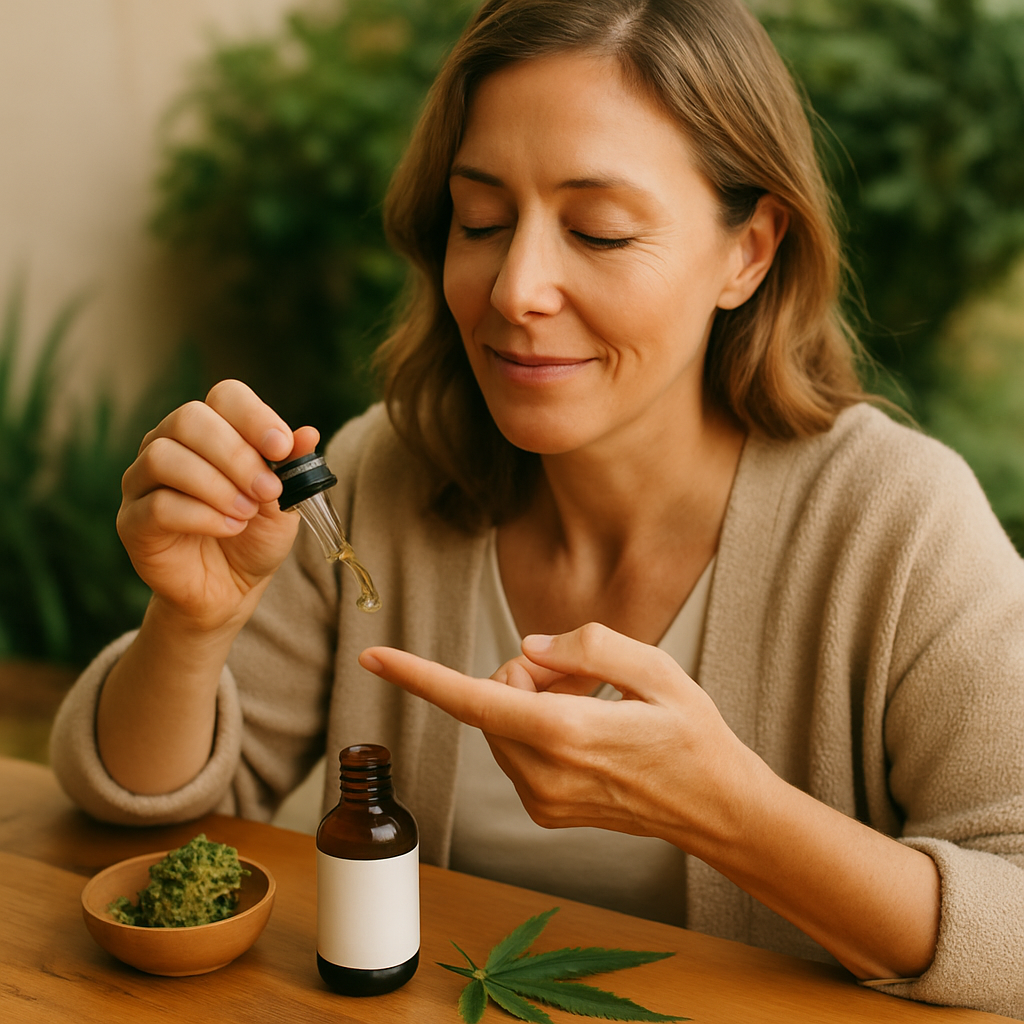
Living with chronic pain can shrink your world—workouts get shorter, sleep gets lighter, and even simple errands feel like a negotiation with your body.
I’m Dr. Maya Chen, and in my work translating wellness science into real-life routines, I’ve seen how plant-based tools can help people feel more like themselves again.
This guide breaks down what Pacify 3:1 Tincture is, how it may support pain relief, and how to use it thoughtfully—step by step.
What Is Pacify 3:1 Tincture—and Why People Choose It for Pain
Pacify 3:1 Tincture is part of King Harvest Wellness’s organic tincture line
(see the full collection here: Tinctures from King Harvest – 100% organic).
It’s made with flower-only cannabis and infused into organic coconut oil, which makes dosing more predictable than many homemade options.
People often look for tinctures when they want a middle ground: something that can act faster than edibles, but feels more “measured” than inhalation.
Sublingual use (under the tongue) can support quicker onset than swallowed products, because some of the cannabinoids are absorbed through oral tissues.
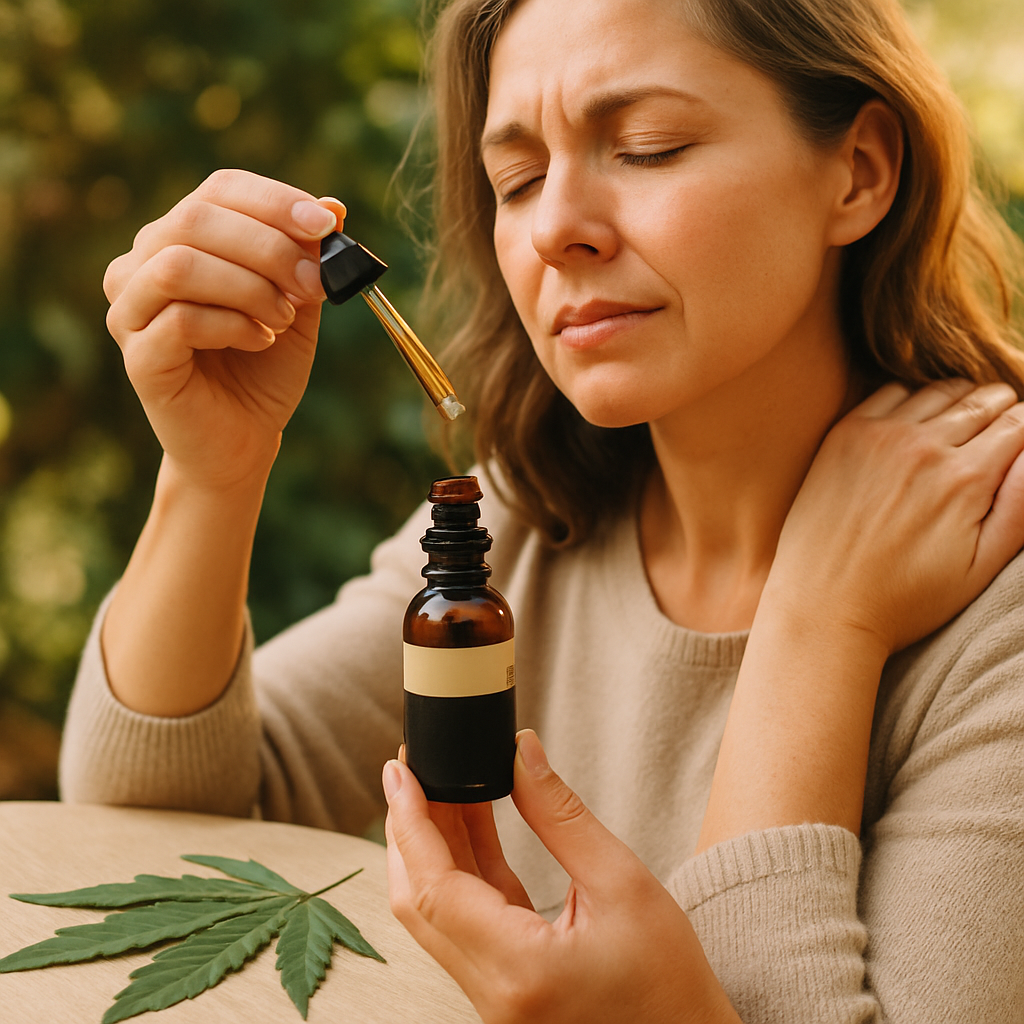
If you’re comparing formats, King Harvest also has an educational hub on dosing here:
Dosing.
And if you’re deciding between extracts, this internal explainer is useful:
FAQ | FECO VS RSO – What’s the difference?.
How Cannabis May Support Pain Relief (The Science, in Plain English)
Your body has an internal regulatory network called the endocannabinoid system (ECS). It helps modulate pain, inflammation, stress response, appetite,
and sleep. Cannabinoids like THC can interact with ECS receptors (often discussed as CB1 and CB2), which may change how pain signals are processed and
how inflammatory pathways behave.
What does the research say? A CDC analysis estimates chronic pain affects 20.4% of U.S. adults
(CDC, 2018).
In clinical research, cannabinoids have shown potential for certain types of chronic pain—particularly neuropathic pain—though results vary by condition,
product composition, and dose. One meta-analysis discusses evidence for cannabinoids in chronic pain and highlights variability in outcomes
(Therapeutic Advances in Psychopharmacology, 2013).
Importantly, “natural” doesn’t mean “one-size-fits-all.” THC can cause unwanted effects (like dizziness, anxiety, or impairment) if the dose is too high.
That’s why dosing strategy matters as much as product choice.
What “3:1” Means (And How to Decide If It Fits Your Goals)
Ratios can be confusing. A “3:1” tincture typically indicates a cannabinoid balance that leans more heavily toward one primary cannabinoid than another.
In real life, what matters most is how you respond: pain level, sleep quality, daytime clarity, and side effects.
If your goal is pain support with a calmer, more balanced feel, some people prefer a 1:1 style tincture like
Synergy – CBD/THC Tincture
or a nighttime-focused option like
Synergy PM – CBD/THC Tincture.
For readers who want a deeper ratio overview, this related article is worth bookmarking:
Comparing FECO and RSO: What Patients Need to Know.
If you’re sensitive to THC (or you’re trying to stay functional during the day), consider a CBD-dominant option such as
Restore – CBD Tincture, then adjust from there.
For a deeper “how ratios feel” guide, see:
CBD THC Ratio Guide: Personalizing Your Cannabis Experience.
Practical Dosing Tips: Start Low, Go Slow, Track Everything
Here’s the approach I recommend for most adults who are new to THC tinctures (and it’s consistent with what many clinicians suggest for cannabinoid titration):
- Start tiny. Begin with 1–2 drops under the tongue.
- Hold for 60 seconds. This supports sublingual absorption.
- Wait before adding more. Give it at least 30–90 minutes before deciding whether to increase.
- Increase slowly. If needed, increase by small increments every few days, not every few hours.
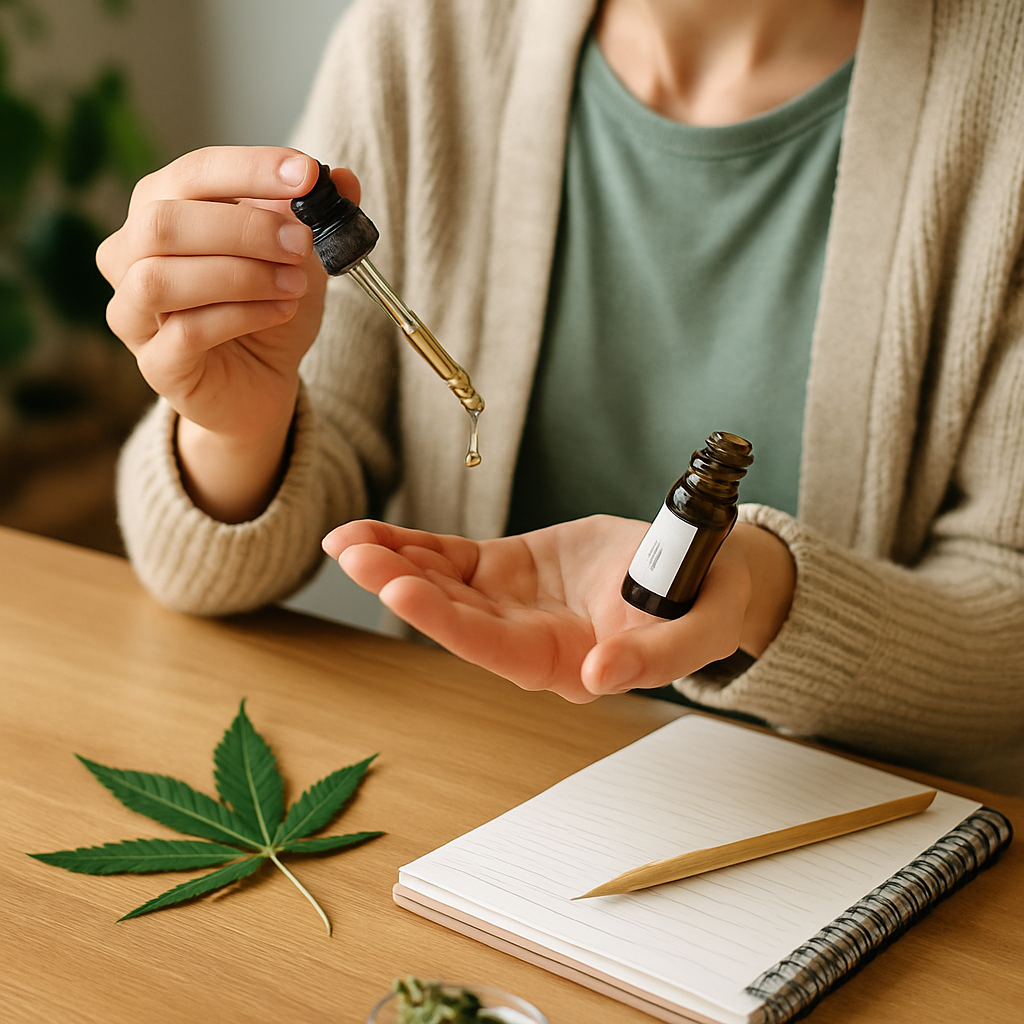
- Keep a simple journal. Track dose, time, pain score (0–10), sleep quality, and side effects.
If you want a structured walkthrough, use King Harvest’s education resources:
FAQ | How to use Cannabis Oil?
and their lab-testing explainer:
FAQ | What makes a product “lab-tested” and why does it matter?.
Prefer inhalation for faster onset? An Indica-forward alternative is
Unwind – Indica THC Vape Cartridge.
If sleep is part of your pain picture, you may also like this related read:
Unwind Indica THC Tincture: Natural Sleep Aid Guide.
Mini Case Study: Arthritis Routine With Pacify 3:1 (What “Progress” Can Look Like)
Here’s a real-world style example based on aggregated customer support patterns and anonymized testimonials (details adjusted to protect privacy).
A 55-year-old woman with knee osteoarthritis wanted an option that felt gentler than her usual regimen, which was upsetting her stomach.
She chose Pacify 3:1 Tincture and used a microdosing approach.
- Timeline: 8 weeks
- Method: Sublingual dosing, consistent schedule, journal tracking
- Outcome (self-reported): ~40% reduction in daily pain scores and improved walking tolerance (from <0.5 mile to ~2 miles)
- Support used: Product education + a guidance call via
King Harvest consultations
While this isn’t a clinical trial, it mirrors what broader education sources discuss: cannabinoids may help some people manage arthritis-related discomfort,
but responses vary and dosing strategy matters. For a conservative overview, see Harvard Health’s discussion of CBD and what we do/don’t know
(Harvard Health Publishing)
and NIH’s overview of cannabis and cannabinoids
(NCCIH (NIH).
Expert Quote: Why Some Patients Prefer Cannabinoids Over Harsh Options
Neurologist and cannabinoid researcher Dr. Ethan Russo has noted that cannabis-based medicines can help with certain pain types and may carry fewer risks than some conventional options for some patients:
Cannabis-based medicines can provide significant relief for neuropathic pain, often with fewer side effects than opioids.
(Therapeutic Advances in Psychopharmacology, 2013).
My practical translation of that quote: if you’re exploring a tincture like Pacify 3:1, aim for the lowest effective dose, build slowly, and keep your clinician in the loop—especially if you take other medications or have a complex health history.
Benefits, Side Effects, and Safety Notes (Read This First)
Many people choose Indica-leaning THC products for relaxation, nighttime discomfort, and “turning down the volume” on persistent aches.
Potential benefits people commonly report include easier sleep onset, less stress around pain, and improved daily comfort.
Possible side effects
- Drowsiness or next-day grogginess (especially with higher doses)
- Dizziness, dry mouth
- Anxiety or racing thoughts (more likely if you take too much THC too quickly)
- Impairment—do not drive or operate machinery after dosing
Medication interactions & when to ask for help
THC and CBD can interact with certain medications. If you take prescription meds, are pregnant/breastfeeding, or have a history of psychosis,
talk with a qualified clinician before using THC products. You can also get product guidance here:
schedule a free consultation.