
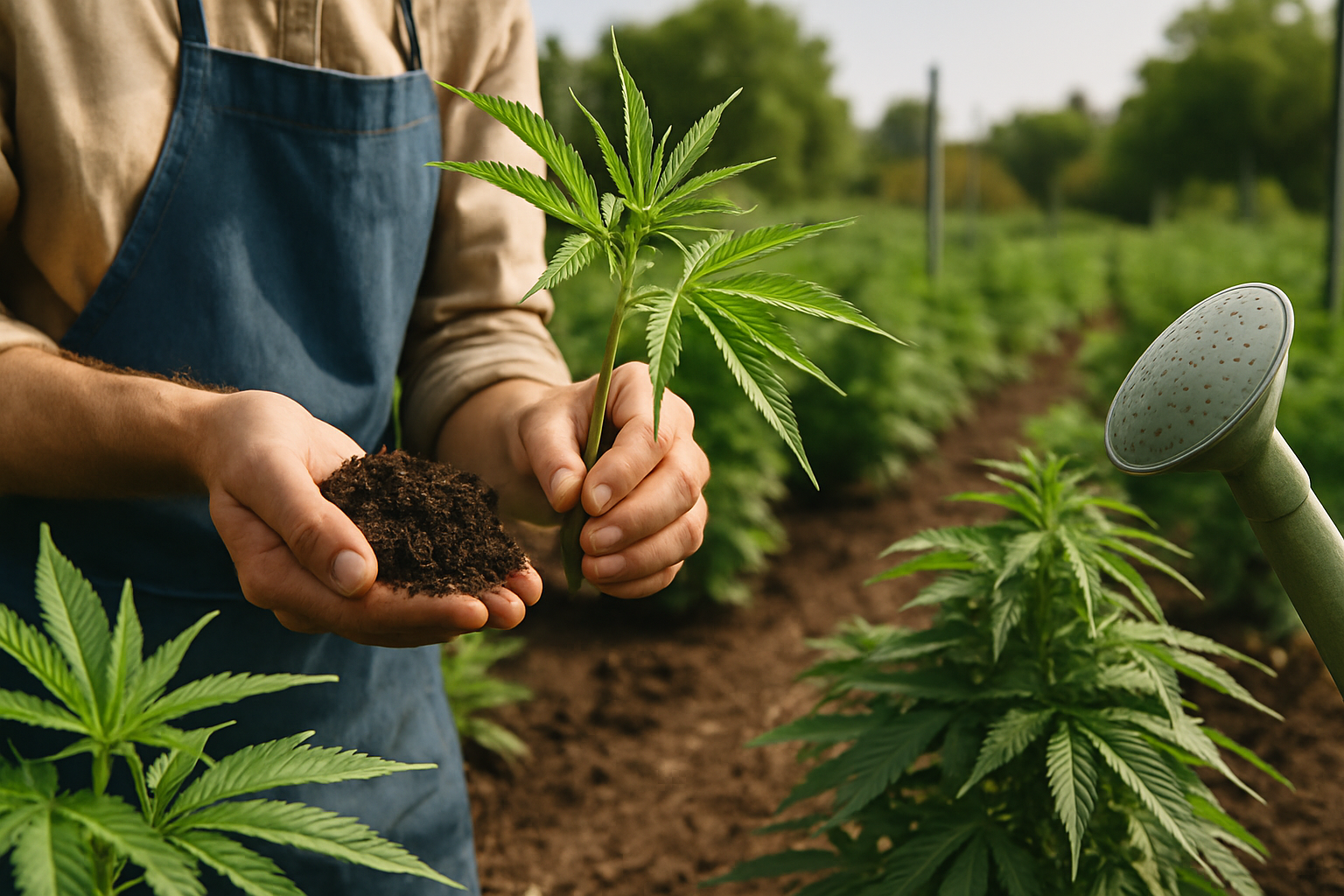
As the Integrative Health Team at King Harvest Wellness, we care about two things at the same time: the quality of your cannabis medicine and the health of the land it comes from.
Sustainable organic cannabis farming isn’t only a “green” ideal—it’s a practical set of choices that protect soil, conserve water, and reduce chemical exposure, all of which can influence the purity and consistency of the finished product.
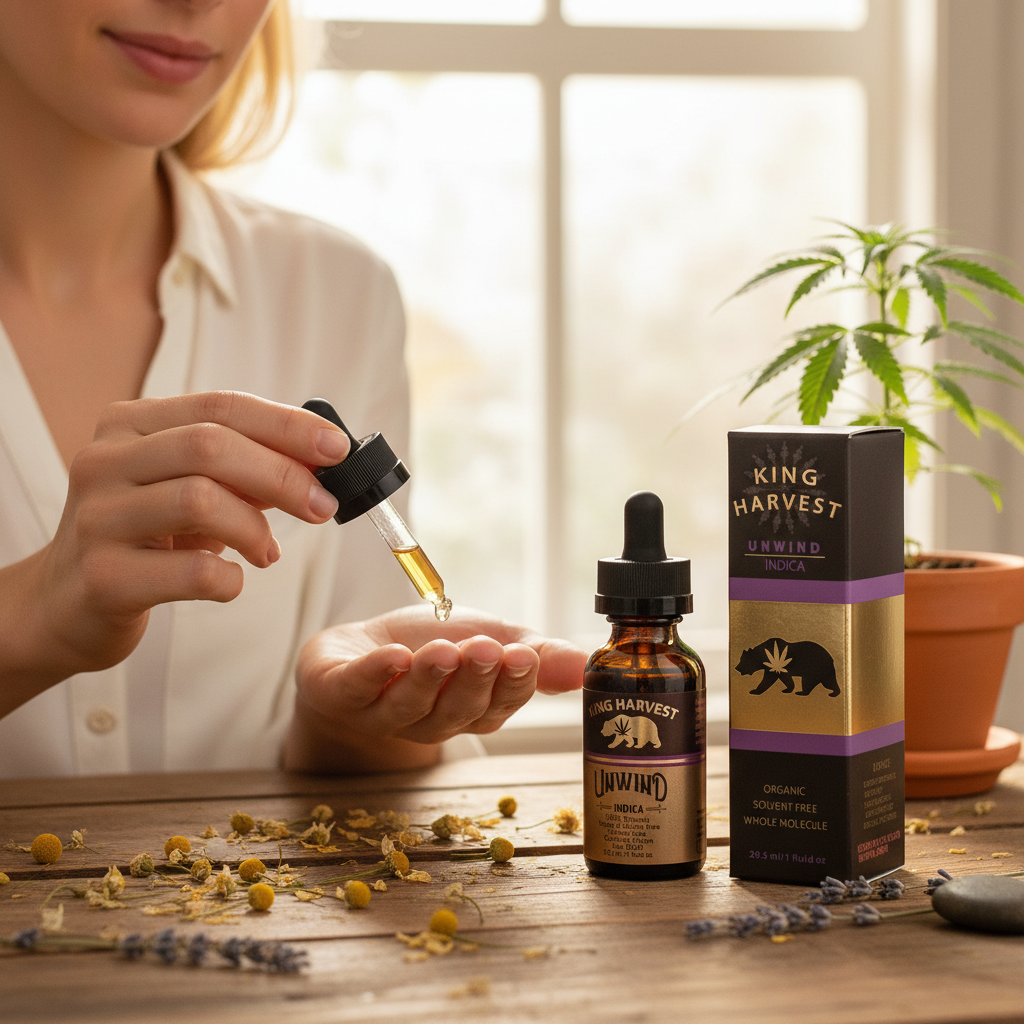
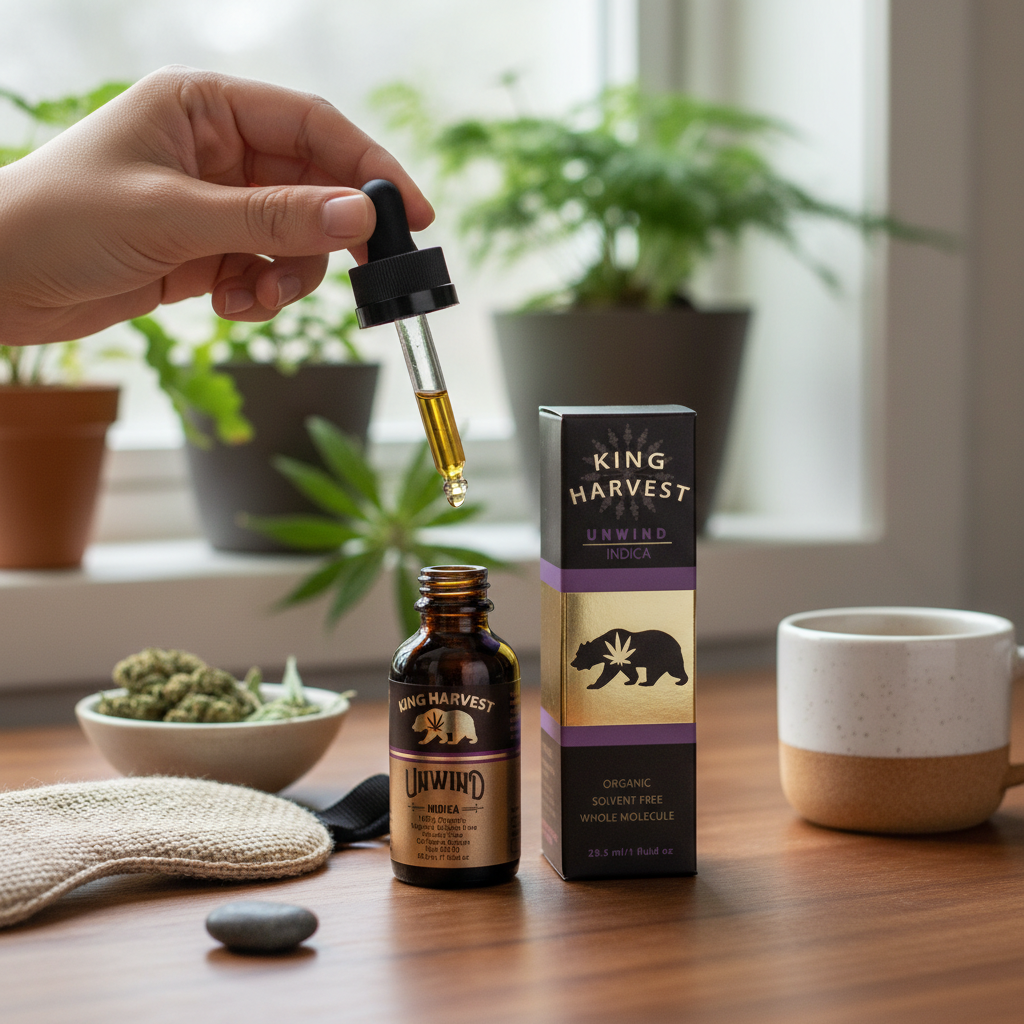
If you’re choosing lab-tested, 100% organic options like Unwind – Indica THC Tincture, understanding these farm practices helps you shop with more confidence.
Related Video
Video: Organic Grow Tips for Big, Healthy Buds🌱🍃 by Growers Clipping
What “Sustainable Organic Cannabis Farming” Really Means
In clinical wellness terms, “sustainable” is about reducing avoidable exposures—whether that’s pesticide residue, heavy runoff into waterways, or depleted soil that requires more interventions to keep plants alive.
In farming terms, sustainability is a system: build living soil, protect water, encourage biodiversity, and minimize inputs that can linger in the environment (or in the plant).
At King Harvest Wellness, our focus is simple: provide 100% organic cannabis medicine that is lab-tested for potency and purity—so you can choose products with more predictability and peace of mind.
If you’re exploring formats, you can browse our tinctures or start with the full King Harvest product catalog.
The Importance of Soil Health in Organic Cannabis Cultivation
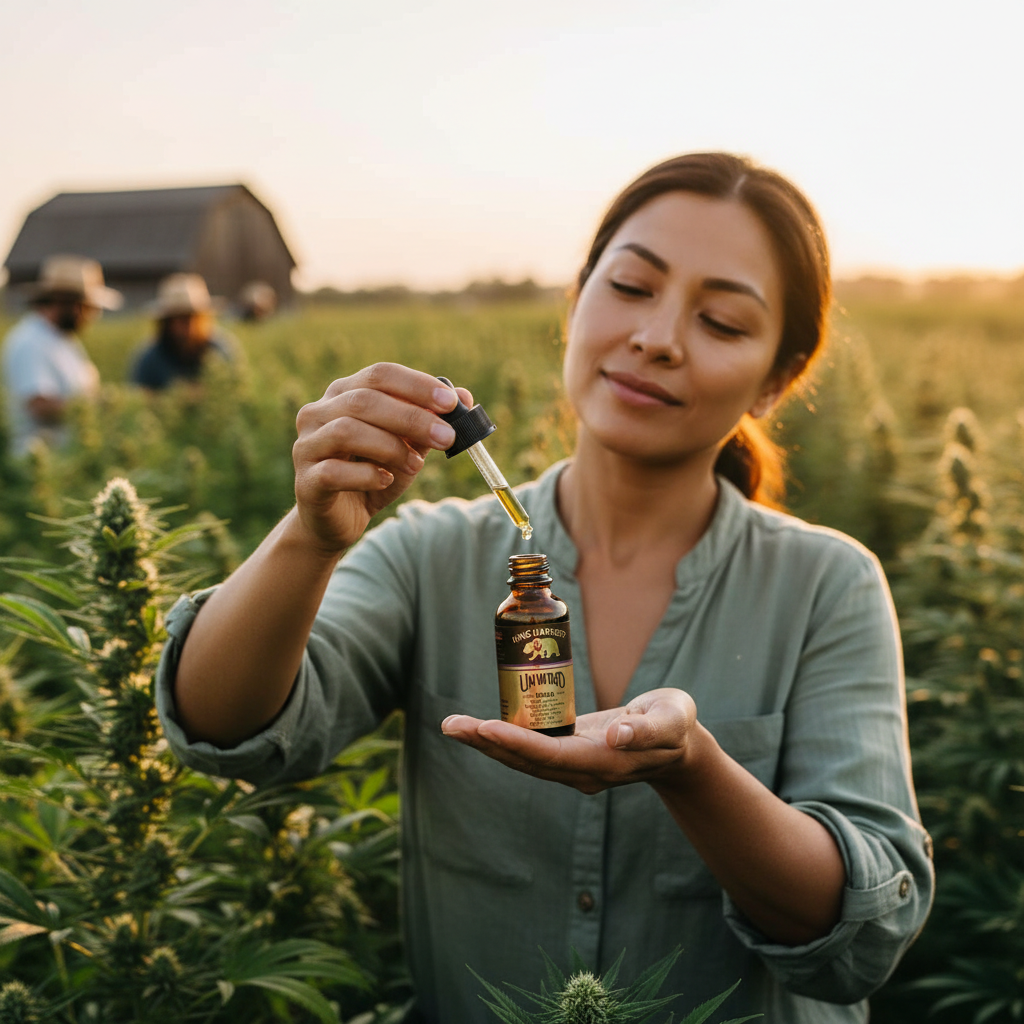
Healthy soil is not just “dirt”—it’s a living ecosystem of microbes, fungi, minerals, and organic matter. In organic cannabis cultivation, farmers often use compost, cover crops, mulching, and crop rotation to feed the soil so the soil can feed the plant.
This approach reduces reliance on synthetic fertilizers that may degrade soil structure over time.
From a patient perspective, soil health matters because it can influence plant vigor and the consistency of the final chemical profile (cannabinoids and terpenes). While farming practices don’t guarantee a specific outcome, they can support more stable growing conditions—one of the foundations of repeatable quality.
Evidence-informed note: regenerative organic systems have been associated with improved soil carbon and soil function over time. See the
Rodale Institute’s Soil Carbon White Paper
for an overview of how regenerative practices can support carbon sequestration and soil organic matter.
If you prefer balanced formulations, consider Synergy – CBD/THC Tincture.
For people who like a daytime-leaning option, Uplift – Sativa THC Tincture is a popular choice.
If you want to learn how ratios change the experience, visit our dosing education hub: Dosing.
Water Conservation Strategies for Eco-Friendly Cannabis Farms
Water stewardship is one of the biggest sustainability challenges in cannabis, particularly in drought-prone regions. Organic farms often rely on strategies such as:
- Drip irrigation to deliver water directly to roots with less evaporation
- Mulching to reduce surface evaporation and stabilize soil moisture
- Rainwater capture (where permitted) to reduce pressure on local supplies
- Runoff control to protect streams and groundwater
For readers who want to go deeper on the environmental footprint of indoor agriculture (including lighting and HVAC loads), the
U.S. Department of Energy’s report on indoor agriculture energy demand
provides helpful context.
If you’re not sure which product format fits your goals (sleep, stress support, daytime function), we can help you narrow it down.
You can book a no-pressure call here: Free Consultations for Medical Cannabis.
Reducing Chemical Inputs: The Organic Advantage
One of the most meaningful differences between conventional and organic farming is how pests and weeds are managed.
Instead of defaulting to synthetic pesticides and herbicides, organic growers may use integrated pest management (IPM) strategies such as beneficial insects,
targeted botanical products, habitat support for predator species, and careful environmental controls.
Why it matters for wellness: fewer synthetic inputs can mean fewer unwanted residues. While “organic” does not automatically equal “risk-free,” it can reduce certain exposures—especially when paired with transparent testing.
If you haven’t yet, read our internal explanation of why testing matters:
What makes a product “lab-tested” and why does it matter?.
Research context: a review available via the National Library of Medicine discusses pesticide exposure considerations and the broader public health rationale for reducing pesticide use in agriculture.
See: National Library of Medicine (PMC): discussion of pesticide exposure and health implications.
If you’re looking for a gentle, CBD-forward option, consider Restore – CBD Tincture.
For a vape alternative with fast onset, you might prefer Unwind – Indica THC Vape Cartridge.
Case Study: What Regenerative Farming Can Look Like in the Real World
Case study (industry example): Flow Kana has publicly positioned its supply network around sun-grown, small-farm cannabis and has discussed regenerative principles such as soil building and biodiversity.
While specific outcomes vary by farm and season, the broader takeaway is consistent: when farms invest in living soil, water efficiency, and ecosystem balance, they often report improvements in resilience and input needs over time.
If you’d like to explore Flow Kana’s stated approach and partner-farm model, you can review their public materials here:
Flow Kana.
(Note: We recommend treating company sustainability reporting as informative but not definitive—third-party verification is ideal whenever available.)
At King Harvest Wellness, we apply the same patient-first logic: source carefully, test consistently, and keep the experience predictable.
If predictability is a concern for you, this internal FAQ is worth reading:
Are FECO tinctures always predictable?.
And if you’re exploring concentrated formats, start here:
FECO – King Harvest Full Extract Cannabis Oil.
Expert Quote: Why Biodiversity Supports Healthier Crops
“Biodiversity isn’t just an environmental buzzword; it’s essential for resilient cannabis crops. By integrating polycultures, we’ve seen pest pressures drop significantly, leading to healthier plants without relying on harsh chemicals.”
— Dr. Allison Justice, horticulturist and sustainable cultivation educator, quoted in
Cannabis Business Times
In plain language: when a farm supports a wider range of plant and insect life, it often reduces the chance that one pest (or one disease) takes over.
That can mean fewer interventions and a more stable growing environment.
How to Integrate Sustainability into Your Wellness Routine
Sustainability becomes personal when it shapes what you put in your body. If you’re building a wellness routine, here are three practical steps:
-
Choose lab-tested products. Start with our overview:
What makes a product “lab-tested” and why does it matter?. -
Match the product to the moment. Many people reserve THC-rich options like
Unwind – Indica THC Tincture
for nighttime, while choosing brighter daytime options like
Uplift – Sativa THC Tincture. -
Ask for help with dosing and selection. Explore educational posts in
Dosing
or book a supportive call:
Get Help Now with a Free Consultation.
If you want a curated way to try multiple options, you can also browse:
Bundles.
FAQ
What makes organic cannabis farming sustainable?
Does sustainable farming change cannabis product quality?
What’s a good sustainably sourced option for beginners?
What are common challenges in sustainable cannabis farming?
Conclusion
Sustainable organic cannabis farming is a long-term commitment to soil, water, and biodiversity—and those choices can directly support cleaner, more trustworthy wellness products.
At King Harvest Wellness, we believe nature’s healing should come with transparency: organic sourcing, lab testing, and patient-first guidance.
Ready to explore options? Browse products, or get personalized help today with a
free consultation—no medical card required.
