
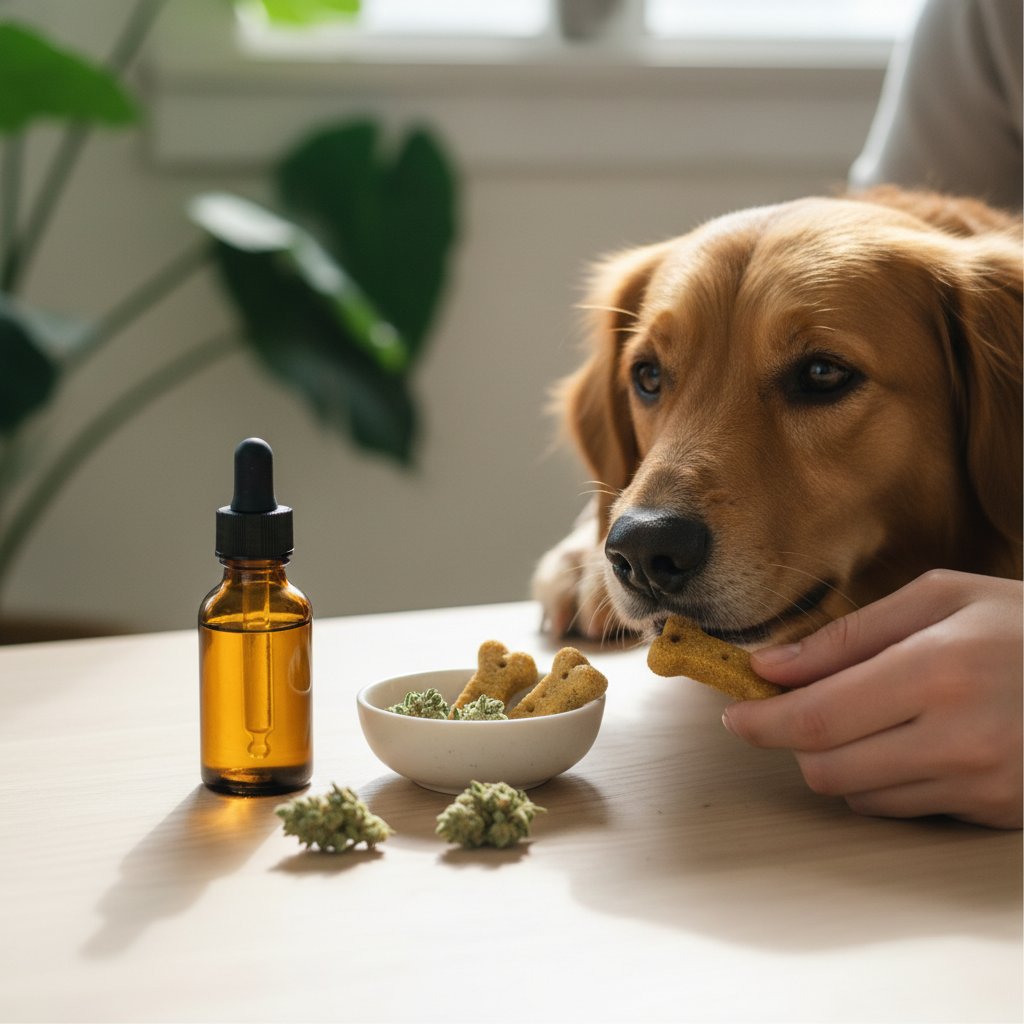
Hey fellow pet lovers—I’m Elena Vargas. If you’ve ever watched a dog sniff their bowl and walk away, or a cat stare at dinner like it’s personally offended them, you know how fast worry sets in. Appetite changes can be simple stress… or a sign something deeper is going on.
This guide focuses on one gentle, increasingly popular option: organic, lab-tested CBD as part of a broader pet wellness plan. No miracle promises—just practical, safety-first support you can discuss with your veterinarian.
Why pets lose their appetite (and when it’s urgent)
“Not eating” can look like picky behavior, but it often has a reason—especially if it’s sudden. Common causes I see pet families wrestling with include:
- Stress and environmental change (moving, travel, new pets, loud events)
- Dental discomfort (chewing hurts, so kibble gets skipped)
- Digestive upset or nausea
- Pain or mobility issues (especially older dogs and cats)
- Medication side effects
If your pet won’t eat for 24 hours (or less for very small pets), is vomiting repeatedly, seems unusually lethargic, has abdominal swelling, or you suspect poisoning, treat it as urgent and contact a veterinarian immediately.
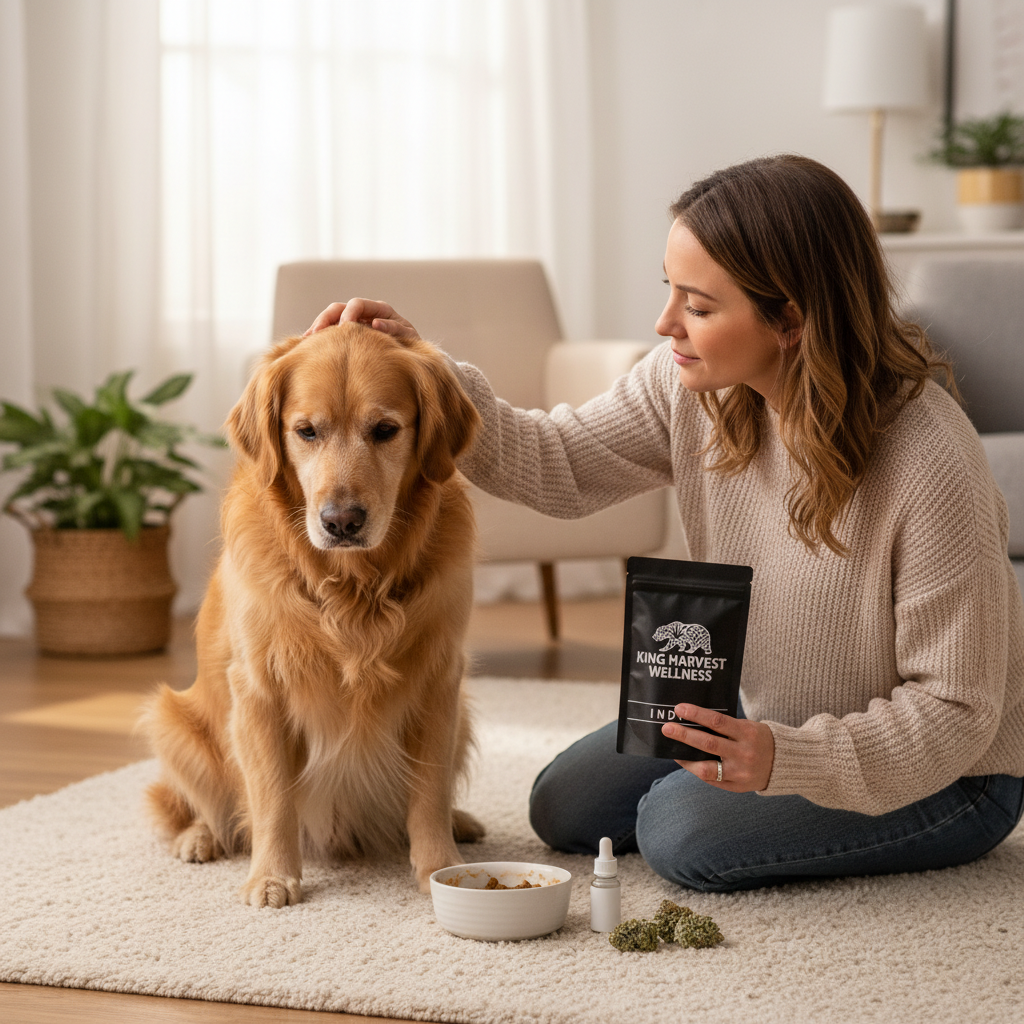
How organic CBD may support appetite: the “why” behind the wellness
CBD (cannabidiol) interacts with your pet’s endocannabinoid system (ECS)—a network involved in regulating mood, stress response, inflammation signaling, and digestive balance. When appetite loss is rooted in stress, discomfort, or nausea, supporting overall balance may help pets feel ready to eat again.
Research in animals is still evolving, but there are meaningful signals. For example, a study in
Frontiers in Veterinary Science explored CBD use in dogs and reported improvements in comfort and activity—factors that can indirectly support better eating routines
(Gamble et al., 2018).
I want to be crystal clear: CBD isn’t a substitute for diagnosis. But when your vet has ruled out emergencies, organic CBD can be a gentle add-on to support calm, comfort, and routine—three things that often bring appetite back online.
Why “organic” and “lab-tested” matter more than the buzzwords
Pet products aren’t all created equal. The two non-negotiables I look for are:
- Organic sourcing (clean cultivation reduces the risk of pesticides and unwanted residues).
-
Third-party lab testing (COAs) to verify potency and screen for contaminants.
If you want a simple explanation of what “lab-tested” really means, King Harvest breaks it down here:
What makes a product “lab-tested” and why does it matter?
This caution is backed by published data. A study in the Journal of the American Veterinary Medical Association evaluated labeling accuracy across CBD products, reinforcing why reputable sourcing and verified testing should be your baseline
(Wakshlag et al., 2022).
Choosing the right King Harvest option for appetite support
If your goal is appetite support, I generally think in “why aren’t they eating?” terms: stress, discomfort, nausea, or disrupted sleep. That’s where tinctures shine—they’re measurable, adjustable, and easy to incorporate into a routine.
Best starting point for many pets: gentle, measured tincture
- Synergy PM Pet Tincture — a balanced CBD/THC formula designed for evening calm. For some pets, better relaxation overnight can translate into a more normal appetite the next day.
If you’re looking for CBD-forward support (ask your vet first)
- Restore – CBD Tincture — a CBD-only option that some families discuss with their veterinarian for careful, pet-appropriate dosing. (Always confirm suitability and dosing for your animal.)
For more pet-specific education, browse:
CBD for Pets.
If you’re comparing cannabinoid approaches more broadly, you may also like:
King Harvest FAQs.
Expert quote: what holistic veterinarians say about CBD and appetite
“CBD can be particularly helpful for pets experiencing nausea or loss of appetite, as it modulates the endocannabinoid system to promote balance and well-being.”
— Dr. Gary Richter, DVM
(source)
I appreciate this framing because it keeps expectations realistic: CBD supports balance. It doesn’t replace diagnostics, nutrition, or a vet’s care plan.
Practical dosing mindset: start low, go slow, track everything
When families ask me how to introduce CBD responsibly, I always come back to three steps:
- Confirm the “why” of appetite loss with your veterinarian.
- Use a consistent schedule (same time daily) so you can actually read the results.
- Track outcomes for 7–14 days before making changes.
A commonly cited beginner approach is 0.1–0.2 mg per pound once or twice daily, then adjust gradually with veterinary guidance. Because every pet’s metabolism and sensitivity is different, your notes matter more than anyone’s “perfect dose” online.
My simple tracking checklist
- How much food was offered vs. eaten
- Water intake
- Energy and interest in play
- Stool quality
- Any drowsiness or wobbliness (especially with THC-containing formulas)
If you want help building a personalized plan, King Harvest offers
free consultations.
For additional context on cannabis support and real-world dosing considerations, this King Harvest story is worth reading:
Confessions of a Dosing Specialist: Osteosarcoma.
Related reading from our library:
Dosing guides and
FAQ: How to use Cannabis Oil?.
Case study: a real King Harvest story where appetite returned
Here’s a real example King Harvest has shared publicly: Susie, a 6-year-old Labrador navigating osteosarcoma-related stress and appetite loss.
According to the published account, Susie’s family used a tailored regimen that included tinctures (including
Synergy PM Pet Tincture) alongside other cannabis wellness supports.
Reported outcomes over time included:
- Appetite improvement (from barely eating to finishing meals)
- ~20% weight gain (as reported in the story)
- Improved mobility and energy (the story describes a return to enjoying walks)
You can read the full narrative and context here:
King Harvest Wellness (2025).
My takeaway isn’t “CBD fixes everything.” It’s that consistent routines, careful dosing, and product quality can create meaningful wellness changes—especially when appetite loss is tied to stress and discomfort.
Safety considerations (especially important for THC-containing pet formulas)
CBD is often well tolerated in dogs and cats, but safety depends on the individual pet, concurrent medications, and the product’s cannabinoid profile.
- Always involve your veterinarian, especially if your pet takes seizure meds, sedatives, NSAIDs, or has liver concerns.
- Use verified COAs and reputable brands (avoid mystery oils with unclear dosing).
- Watch for side effects: sedation, GI upset, or unsteadiness can indicate the dose is too high.
- Store products securely—accidental ingestion can be dangerous.
If you want a quick primer on product consistency and expectations, this King Harvest FAQ is helpful:
Are FECO tinctures always predictable?
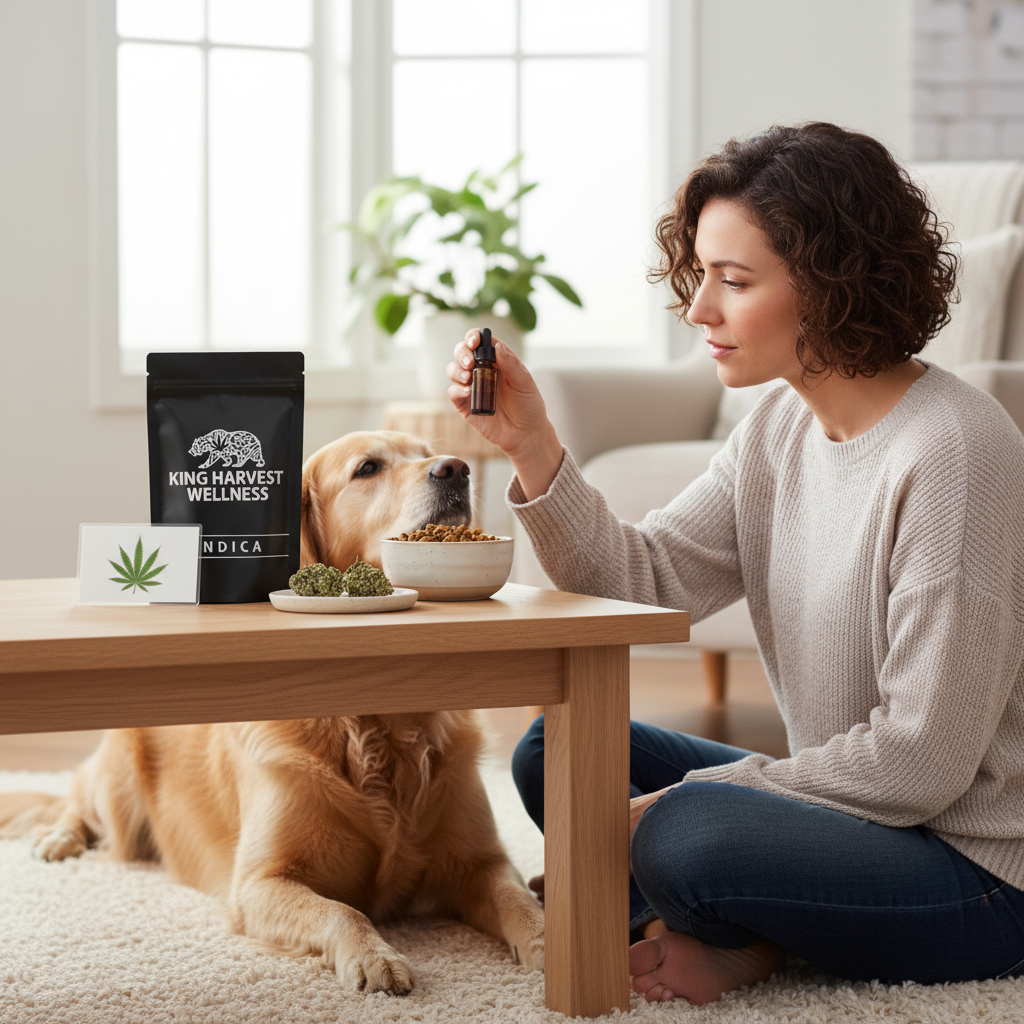
Disclaimer: This article is educational and not veterinary medical advice. CBD/THC products are not intended to diagnose, treat, cure, or prevent any disease. Always consult your veterinarian.
FAQ: Organic CBD for pet appetite loss
How does organic CBD help with pet appetite loss?
What King Harvest product is best for pets with appetite issues?
Is CBD safe for all pets?
How long does it take to see results with CBD for appetite?
Conclusion: a calmer pet often becomes a better eater
Appetite loss can be heartbreaking—and stressful for the whole household. Organic CBD isn’t a cure, but it may be a supportive tool for restoring calm, comfort, and routine when your veterinarian says it’s appropriate.
If you’re ready to explore lab-tested options, you can browse
King Harvest Wellness products
or start with the pet-specific formula
Synergy PM Pet Tincture.
If you want help dialing in a plan, book a
free consultation.
Author Bio
Elena Vargas writes about organic cannabis wellness with a focus on real-life routines, product quality, and compassionate decision-making. Off the page, she’s usually hiking with her rescue pups, troubleshooting picky-eater meal plans, or talking with pet parents who just want their best friend to feel like themselves again.
