
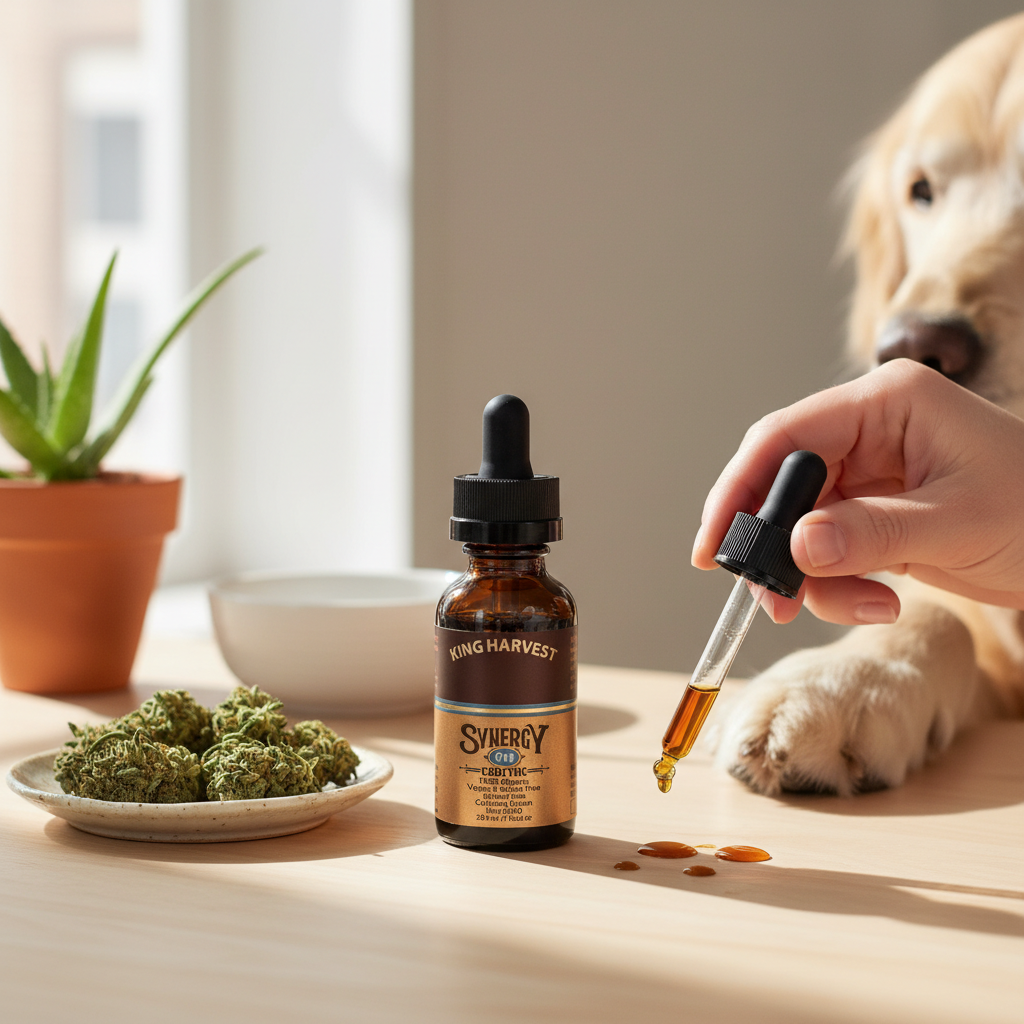
I’m Marcus Hale. If you’ve ever listened to your dog thump their leg against the floor all night—scratch, scratch, scratch—or watched your cat overgroom until the fur thins, you already know the real problem isn’t “skin.” It’s comfort. It’s sleep. It’s mood. It’s that quiet worry that you’re missing something.
This guide walks you through what organic, lab-tested CBD can (and can’t) do for common pet skin issues like itching, dryness, seasonal allergies, and hot spots. We’ll keep it grounded in evidence, practical routines, and vet-friendly best practices—because this isn’t about promises. It’s about supportive wellness and relief, one careful step at a time.
Related Video
Video: Best Ways to Give CBD Oil to Dogs #cbdoil #dogs by Kimberly Gauthier, CPCN
Common Pet Skin Issues (and What’s Usually Behind Them)
Skin flare-ups often look the same—redness, licking, chewing paws, dandruff, hot spots—but the “why” can be totally different. In my experience talking with pet owners, most cases fall into a handful of buckets:
- Environmental allergies (pollens, molds, grasses, dust)
- Food sensitivities (certain proteins or additives)
- Flea allergy dermatitis (even one bite can trigger a big reaction)
- Dry skin (low humidity, frequent bathing, harsh shampoos)
- Stress-driven licking/scratching (yes—skin and nerves talk to each other)
Skin allergies are also a major reason pets end up at the vet. The American Kennel Club highlights how common allergies are in dogs and what they typically look like in real life
(American Kennel Club).
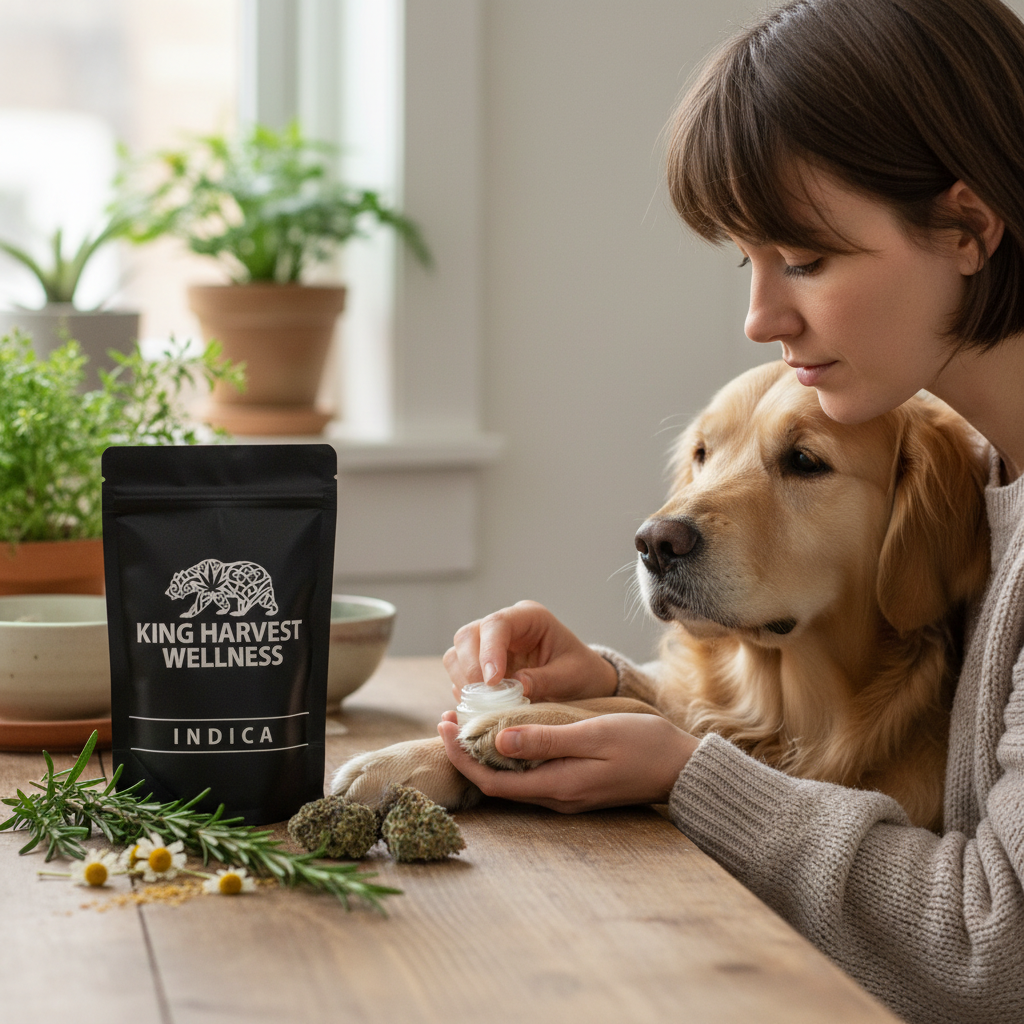
The goal with CBD isn’t to “fix everything.” It’s to support a calmer baseline so your pet can stop spiraling—itch leads to scratching, scratching leads to inflammation, inflammation leads to more itch. Breaking that loop matters.
How Organic CBD May Support Pet Skin Wellness
CBD (cannabidiol) is a non-intoxicating cannabinoid that interacts with your pet’s endocannabinoid system (ECS)—a regulatory network involved in balance across mood, immune signaling, and inflammatory responses.
That’s one reason CBD is being studied for itch and skin comfort, especially when stress and inflammation overlap.
A useful way to think about CBD for skin issues is support from three angles:
- Calm support: less anxious scratching/licking, especially at night
- Inflammation-related discomfort support: helps the body manage the “heat” of irritation
- Barrier-friendly routines: CBD works best when paired with skin basics (diet, bathing, flea control)
If you want to go deeper on the science side, Cornell’s veterinary community has discussed CBD research in dogs and what we do (and don’t) know yet
(Cornell University College of Veterinary Medicine).
One more “why now?” stat: the CBD pet category has expanded quickly as families look for gentler wellness tools. Market researchers have tracked sustained growth in pet CBD interest and sales
(Brightfield Group Insights).
Growth doesn’t prove efficacy—but it does explain why your vet is probably getting asked about CBD more than ever.
Whatever you choose, I only recommend organic, lab-tested products with transparent testing. If you want King Harvest’s take on why lab testing matters, start here:
What makes a product “lab-tested” and why does it matter?
Choosing a CBD Product for Skin Issues: What I Look For
When pets are already irritated, the wrong additives can make things worse. Here’s the short checklist I use when helping pet owners think through options:
- Pet-appropriate formula (avoid unnecessary flavors, sweeteners, or essential oils)
- Clear dosing information and consistent cannabinoid content
- Third-party lab testing (COA transparency)
- Simple ingredient list (especially for allergy-prone pets)
For many pets, nighttime is when scratching ramps up—fatigue, boredom, and itch collide. That’s why some families choose an evening-focused option like
Synergy PM Pet Tincture.
If you and your veterinarian prefer a THC-free approach, a CBD-only option like
Restore – CBD Tincture
may be a better fit (ask your vet about pet dosing and suitability).
“CBD has anti-inflammatory properties that can be beneficial for managing skin conditions in pets, such as atopic dermatitis, by reducing itch and promoting skin barrier function.”
— Dr. Joseph J. Wakshlag, DVM, PhD (Cornell University), quoted in
Cornell University CVM news
If you want to browse all King Harvest options and compare formats, start at the main shop:
Buy CBD/THC Wellness Products.
Case Study: What a Vet-Monitored CBD Routine Looked Like (and What Changed)
Let’s talk about real-world signals from published research. In a peer-reviewed study in Animals (MDPI), client-owned dogs with atopic dermatitis received a CBD/CBDA oil blend over multiple weeks.
Researchers reported improvements in itch severity and clinical measures in many dogs, with owners also noting better comfort at home
(Animals (MDPI), 2020).
Here’s the practical takeaway I use with pet owners: consistency + tracking + vet oversight is where CBD shines. Not “one dropper once.” Not “randomly when they look itchy.”
A routine, plus notes, plus accountability.
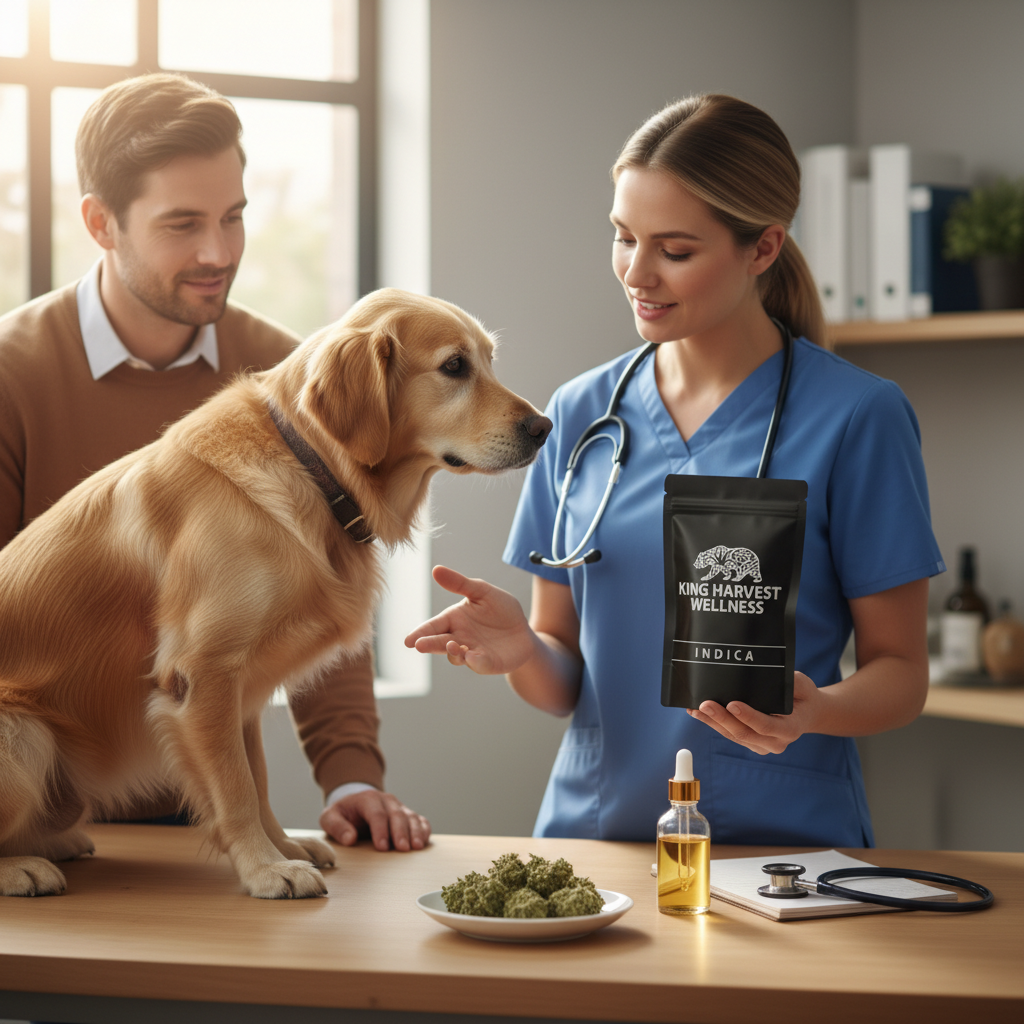
If you’d like help building a careful plan, King Harvest offers a no-pressure starting point here:
Free Consultations.
Best Practices: Introducing CBD Without Guesswork
My rule is simple: start low, go slow, and write it down. The goal is to find the smallest amount that supports comfort—especially for skin issues where triggers can change week to week.
A vet-friendly starter routine
- Confirm suitability with your veterinarian (especially for seniors, pets with liver issues, or pets on other meds).
- Start at a low dose based on your vet’s guidance and your product’s label.
- Track daily: itch intensity (1–10), sleep quality, paw licking, stool changes, appetite.
- Hold steady for 5–7 days before adjusting.
- Support the basics: flea prevention, gentle shampoo, omega-3s, clean bedding, and allergen control.
Skin issues are expensive and common, which is why so many families look for supportive tools. Nationwide has reported dermatological conditions among frequent pet insurance claim categories
(Nationwide Pet Insurance / PetInsurance.com).
Again—cost doesn’t prove what works, but it does show how widespread the problem is.
For more pet-focused education, you can also browse our internal hub here:
CBD for Pets.
Safety Considerations (and When to Call the Vet)
CBD is generally considered well-tolerated in many pets, but every animal is different. The most common side effects reported by owners include sleepiness, GI upset, or changes in appetite—often dose-related.
Call your veterinarian promptly if you notice severe lethargy, vomiting that won’t stop, wobbliness, or anything that feels “off.” And if your pet’s skin is broken, bleeding, infected-smelling,
or hot to the touch, CBD should be a secondary support—not the first line.
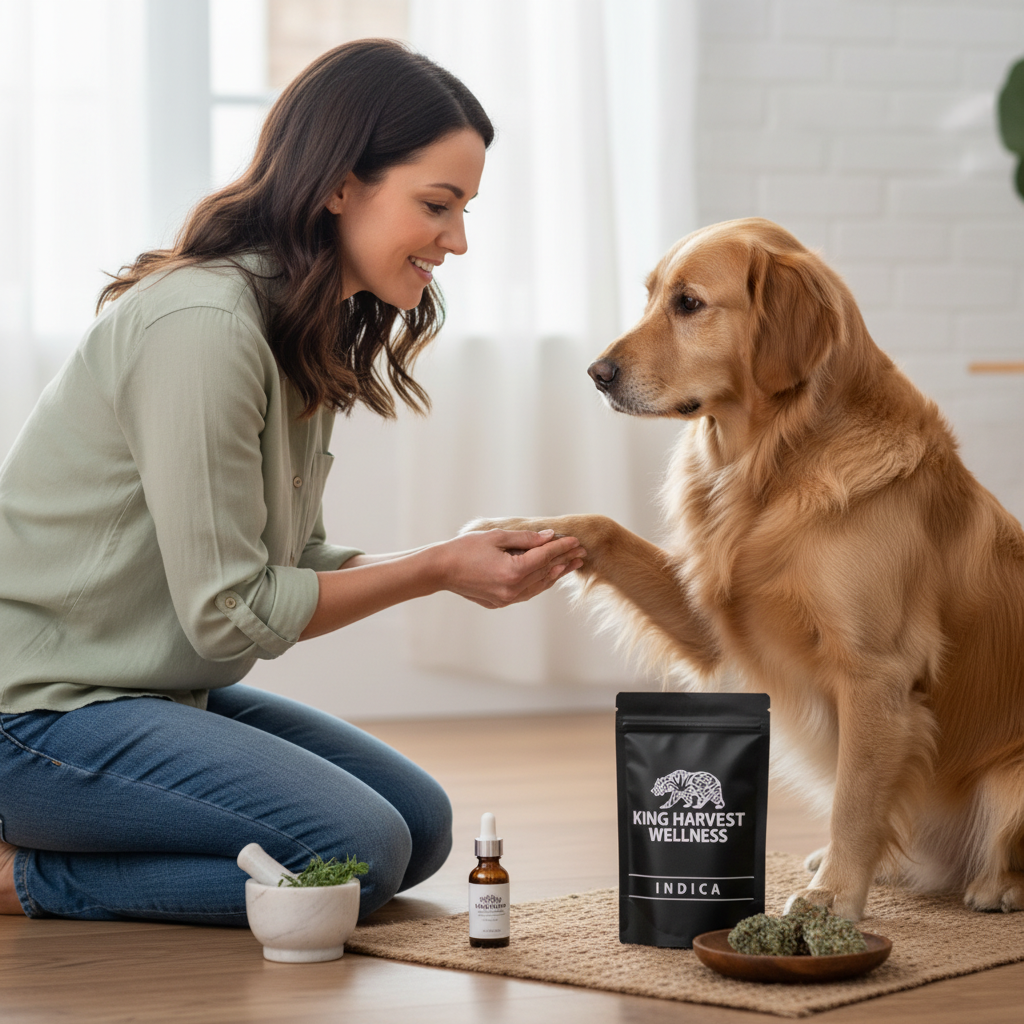
If you’re comparing product consistency and predictability, King Harvest also addresses how to think about tincture reliability here:
Are FECO tinctures always predictable?
Important: This article is for educational purposes and does not replace veterinary advice.
FAQ: Organic CBD for Pet Skin Issues
Can organic CBD help with my pet’s allergic skin reactions?
Synergy PM Pet Tincture
after discussing suitability and dosing with their veterinarian.
How do I dose CBD for my pet’s skin issues?
Restore – CBD Tincture
is appropriate and how to measure a pet-sized amount safely.
Are there side effects of CBD for pets with skin problems?
lab-tested FAQ.
Can I use human CBD products for my pet?
CBD for Pets.
Conclusion: A Calmer Coat Starts with a Calmer Plan
Organic CBD won’t replace flea control, diet upgrades, or your veterinarian’s guidance—but it can be a meaningful part of a supportive wellness routine for pets who can’t seem to get comfortable in their own skin.
If you want a simple place to begin, explore
Synergy PM Pet Tincture,
browse the full catalog at
King Harvest Wellness products,
or book a personalized starting conversation through
Free Consultations.
About the Author
Marcus Hale is a content writer at King Harvest Wellness focused on organic, lab-tested cannabis and hemp education. He works at the intersection of patient stories, practical dosing mindsets, and evidence-informed wellness—always with the reminder that your veterinarian is your partner, not your last resort. Off the clock, Marcus is usually hiking with his rescue dog and taking notes on what “calm” looks like in the wild.
