

Comprehensive Dental Evaluation & Diagnostics in Newport Beach
Most dental treatment failures begin long before a procedure is ever performed. They begin with incomplete diagnosis.
When dental evaluations are rushed, abbreviated, or limited to surface-level findings, treatment decisions are made without fully understanding the structural, biological, and functional condition of the teeth. The result is dentistry that treats symptoms instead of causes — and outcomes that fail prematurely.
A comprehensive dental evaluation is not a formality. It is the foundation upon which every durable outcome depends.

The Problem: Dentistry Often Begins With Insufficient Information
Conventional dental examinations are frequently constrained by time, limited visualization, or a focus on isolated complaints rather than the complete oral system.
Under these conditions, clinicians may miss:
- Early structural compromise beneath existing restorations
- Interproximal or recurrent decay not visible during routine inspection
- Microfractures that predispose teeth to catastrophic failure
- Occlusal and functional forces contributing to breakdown
- Biological risk factors driving repeated disease cycles
When diagnosis is incomplete, treatment becomes reactive. Teeth are repaired repeatedly rather than stabilized, and long-term predictability is sacrificed for short-term resolution.
This is not a procedural failure. It is a diagnostic one.
How Dr. Vigoren Approaches Diagnosis Differently
Dr. Greg Vigoren approaches diagnosis as a deliberate, evidence-driven process — not a preliminary step to treatment.
Every evaluation is designed to answer a single, fundamental question:
What is happening structurally and biologically — and why?
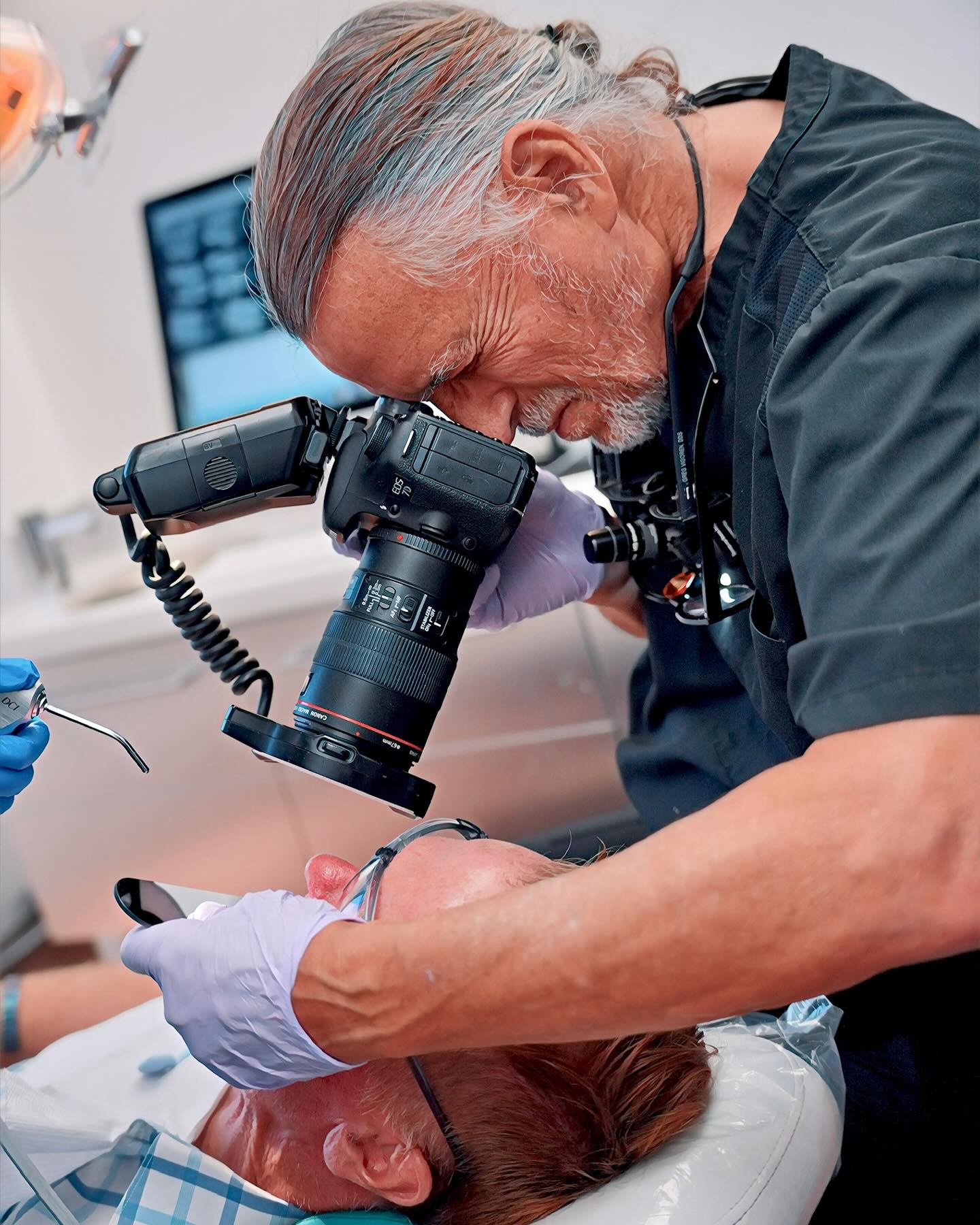

By integrating high-magnification visualization, advanced imaging, and clinical documentation, diagnostic decisions are based on verified findings rather than assumption or pattern-based treatment.
This allows Dr. Vigoren to:
- Identify problems before they become irreversible
- Differentiate cosmetic defects from true structural risk
- Determine when intervention is necessary — and when it is not
- Plan treatment that prioritizes preservation and longevity
- Diagnosis is not rushed, and it is never reduced to a checklist.
Diagnostic Tools & Clinical Precision
Comprehensive evaluations at our practice integrate multiple diagnostic modalities to ensure accuracy, clarity, and long-term predictability.
These may include:
- Microscope-assisted clinical examination
- CBCT 3D imaging for structural and anatomical assessment
- High-resolution digital radiography
- Clinical photography for documentation and patient education
This diagnostic framework allows for identification of conditions such as hidden decay, marginal leakage, early fractures, and structural compromise that may remain undetected during routine examinations.
Findings are reviewed carefully and explained in clear, non-alarmist terms so patients understand not only what is present, but why it matters.
Who This Evaluation Is — And Is Not — For
This approach may be appropriate for patients who:
- Want clarity before committing to dental treatment
- Have experienced repeated dental failures or unresolved issues
- Are seeking second opinions on complex or conflicting recommendations
- Value long-term outcomes over expedient solutions
This approach may not be appropriate for patients who:
-
Are seeking immediate treatment without thorough assessment
-
Prioritize speed or cost over diagnostic certainty
-
Prefer abbreviated exams or rapid diagnosis
Effective diagnosis requires time, intent, and patient engagement.
What Patients Can Expect:
Your visit begins with a focused discussion of concerns, history, and prior treatment experiences.
A structured diagnostic process then follows:
- Clinical examination under magnification
- Targeted imaging when indicated
- Documentation and analysis of findings
- Clear explanation of conditions and associated risks
- Discussion of appropriate next steps — including when no treatment is necessary
Patients are informed, not pressured.
Treatment recommendations are made only after diagnosis is complete.
Frequently Asked Questions
Next Step
If you are seeking clarity, accuracy, and thoughtful evaluation before proceeding with dental treatment, a comprehensive diagnostic evaluation is the appropriate starting point.
You may schedule an appointment to review your case in detail and determine whether this approach aligns with your goals.
We work with many insurance plans and offer flexible financing options for major treatments.