

Custom Dental Crowns in Newport Beach
Dental crowns do not fail because they are crowns. They fail because the tooth beneath them was misunderstood, over-prepared, or structurally compromised before restoration.
When crowns are placed without diagnostic clarity and precision control, they may look acceptable in the short term — yet function as accelerants of long-term failure.
A crown is not a solution by default. It is a structural commitment that must be justified.

The Problem: Crowns Are Often Used As A Default, Not A Decision
In conventional dentistry, crowns are frequently recommended as a routine response to decay, fracture, or failed restorations. Under these conditions, critical variables may be overlooked.
Commonly missed factors include:
- The amount and quality of remaining tooth structure
- Microfractures that predispose the tooth to cusp or root failure
- Marginal integrity at a microscopic level
- Occlusal forces that place the tooth under excessive load
- Bacterial risk at crown margins and beneath existing restorations
When these variables are not fully understood, crowns may seal in problems rather than resolve them — leading to recurrent decay, fracture below the crown, or eventual tooth loss. This is not a crown problem. It is a diagnostic and precision problem.
How Dr. Vigoren Approaches Crown Treatment Differently
Dr. Greg Vigoren approaches crown placement as a last-resort restorative strategy, not a routine upgrade.
Every crown recommendation is preceded by a fundamental diagnostic question: Does this tooth require full-coverage restoration to remain structurally stable — or can it be preserved more conservatively?
When a crown is indicated, it is designed to stabilize the tooth biologically and structurally — not simply to replace lost enamel.

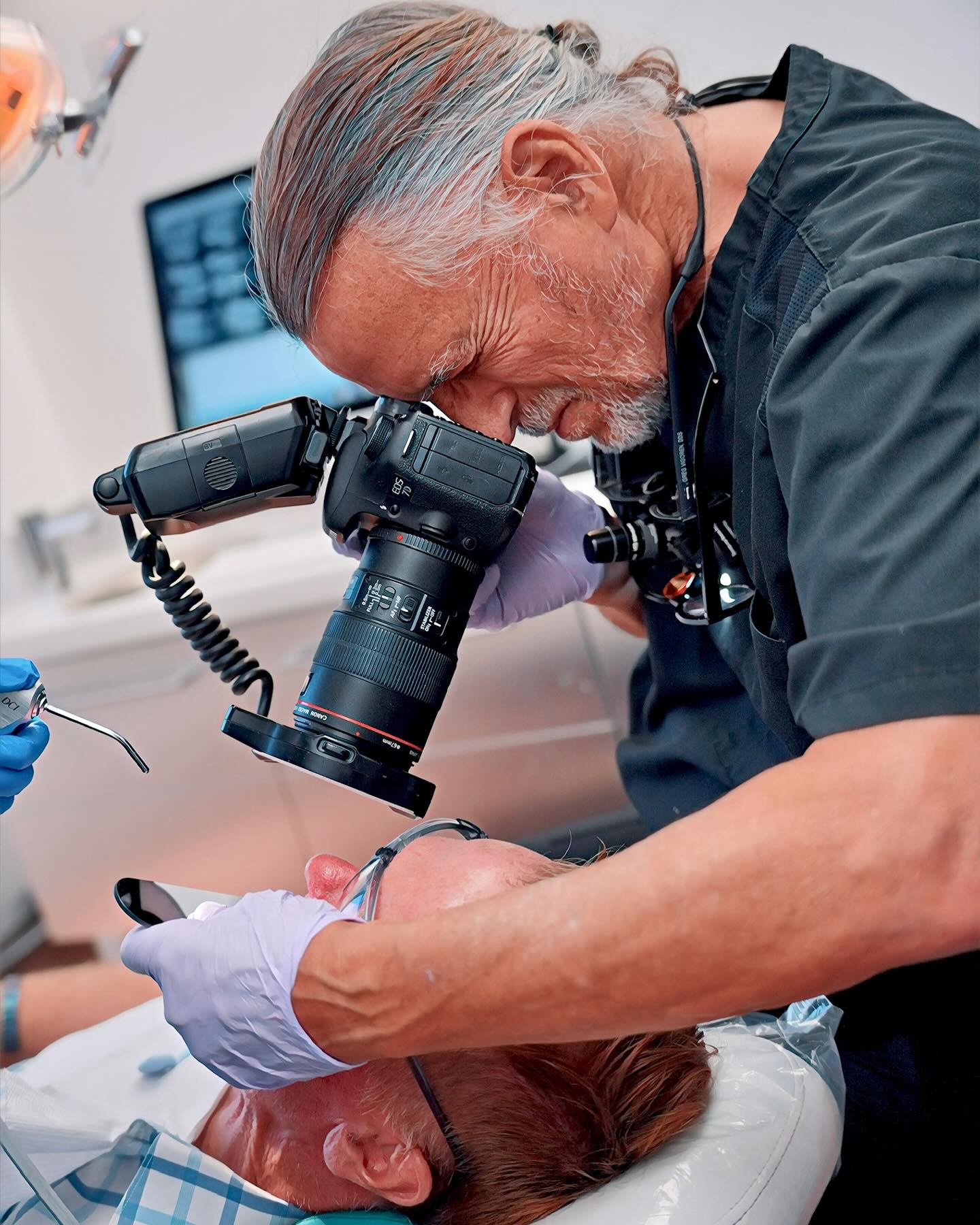
This approach allows Dr. Vigoren to:
- Avoid unnecessary full-coverage preparation
- Preserve maximum healthy tooth structure
- Design crown margins to reduce bacterial leakage risk
- Control occlusal forces that drive long-term breakdown
Crowns are used deliberately — not automatically.
Precision, Fit, and Structural Control
Custom crowns at our practice are designed and evaluated under high magnification to ensure accuracy at every critical interface.
Our crown protocol emphasizes:
- Microscope-assisted preparation and margin refinement
- Conservative reduction based on structural necessity
- Material selection aligned with functional load (not convenience)
- Verification of marginal seal and anatomical form under magnification
By controlling these variables at a microscopic level, crowns integrate more predictably into the tooth and the oral system — reducing the likelihood of recurrent decay, fracture, or premature failure.
Who Crown Treatment Is — And Is Not — For
Crown treatment may be appropriate for patients who:
- Have teeth with significant structural compromise
- Have experienced repeated failure of large restorations
- Require full-coverage protection to stabilize remaining tooth structure
- Value long-term durability over minimal intervention when necessary
Crown treatment may not be appropriate for patients who:
- Can be treated conservatively with inlays, onlays, or partial restorations
- Are seeking cosmetic change without structural indication
- Prefer standardized treatment without diagnostic nuance
The decision to place a crown must be justified — not assumed.
What Patients Can Expect:
Crown treatment begins only after comprehensive diagnosis is complete.
When a crown is determined to be structurally necessary, the process follows a structured sequence:
- Evaluation of remaining tooth structure and fracture risk
- Determination that full coverage is structurally required
- Microscope-assisted preparation and margin control
- Fabrication of a custom crown designed for function and longevity
- Verification of fit, seal, and occlusal integration
Patients are informed at every step and are never directed toward crown treatment without clear structural rationale.
Frequently Asked Questions
Next Step
If you have been advised that a crown is necessary — or are questioning whether one is — a comprehensive diagnostic evaluation is the appropriate starting point.
You may schedule an appointment to determine whether crown treatment is truly indicated and, if so, how it can be performed conservatively and precisely.
We work with many insurance plans and offer flexible financing options for major treatments.