

Root Canal Evaluation & Tooth Retention in Newport Beach
Root canals do not fail because they are performed. They fail when the decision to perform them is made without fully understanding the structural, biological, and long-term viability of the tooth.
Root canal evaluation is not about performing treatment.
It is about determining whether treatment will actually succeed.

The Problem: Root Canals Are Often Decided Too Quickly
In conventional dentistry, the diagnosis of infection or pulp involvement often leads directly to root canal treatment.
When this occurs without comprehensive evaluation, critical factors may be overlooked:
- The structural integrity of the remaining tooth
- Existing fractures or cracks that compromise long-term stability
- The quality of coronal structure available for protective restoration
- Occlusal forces that predispose the tooth to fracture
- The overall restorative prognosis for that tooth
When these variables are not fully evaluated, root canal treatment may resolve symptoms temporarily while accelerating structural failure over time.
This is not an endodontic failure. It is a diagnostic and planning failure.
How Dr. Vigoren Approaches Root Canal Decisions
Dr. Greg Vigoren approaches root canal decisions as part of a broader tooth-retention strategy, not as an isolated procedure.
Every evaluation begins with a single guiding question: Can this tooth be predictably retained — structurally and biologically — after treatment?

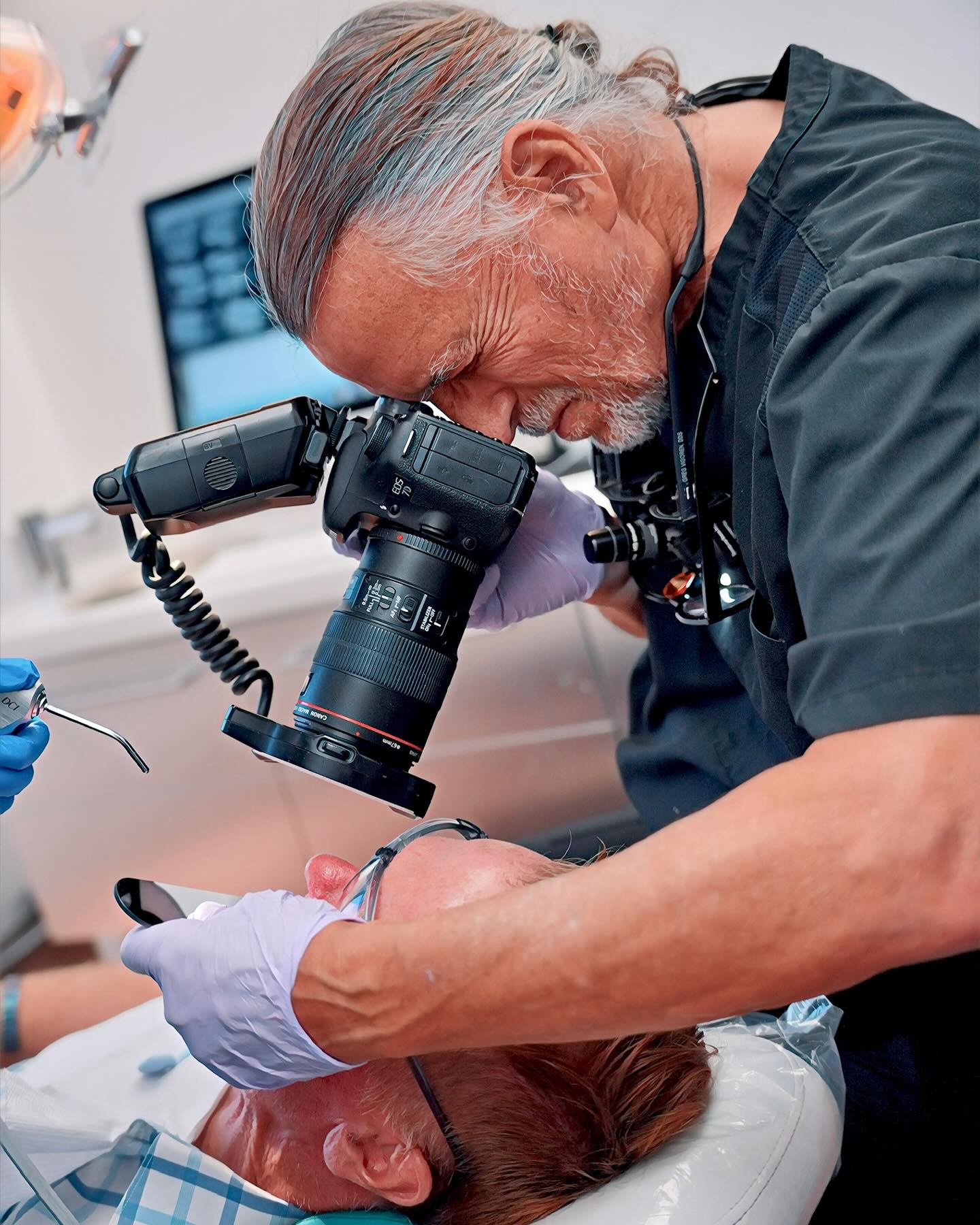
Root canal treatment is considered only when the tooth can be restored and protected in a way that supports long-term stability. This approach allows Dr. Vigoren to:
- Identify teeth with poor long-term retention potential
- Avoid treatment that prolongs failure rather than preventing it
- Determine when preservation is reasonable, and when it is not
- Plan restorations that protect the tooth after endodontic care
Retention is a prognosis-based decision — not a default outcome.
Diagnosis, Prognosis, and Structural Reality
Root canal evaluation at our practice integrates diagnosis with long-term structural planning.
This evaluation may include:
- Microscope-assisted examination for cracks and structural defects
- CBCT imaging to assess root anatomy and surrounding bone
- Evaluation of coronal tooth structure required for protection
- Assessment of functional load and fracture risk
The goal is not to determine whether a root canal can be performed, but whether the tooth can be predictably retained afterward.
Who Root Canal Evaluation Is — And Is Not — For
This evaluation may be appropriate for patients who:
- Have been advised they need a root canal
- Are seeking a second opinion on tooth retention
- Have experienced previous dental failures
- Value long-term outcomes over short-term symptom relief
This approach may not be appropriate for patients who:
- Are seeking immediate procedural treatment without evaluation
- Prefer standardized treatment without prognosis discussion
- Are unwilling to consider all retention and replacement options
The decision to retain a tooth must be justified — not assumed.
What Patients Can Expect:
Root canal evaluation begins only after comprehensive diagnosis is complete.
When evaluation is complete, patients can expect:
- Clear explanation of findings and structural risks
- Discussion of whether root canal treatment is appropriate
- Assessment of long-term retention potential
- Explanation of restorative requirements following treatment
- Guidance on next steps — including when treatment is not recommended
Patients are informed, not rushed, and never directed toward treatment without clear justification.
Frequently Asked Questions
Next Step
If you have been advised that a root canal is necessary — or are questioning whether a tooth can be retained — a comprehensive diagnostic evaluation is the appropriate starting point.
You may schedule an appointment to determine whether root canal treatment supports long-term tooth retention in your specific case.
We work with many insurance plans and offer flexible financing options for major treatments.