

Invisalign & Functional Orthodontics in Newport Beach
Orthodontic treatment does not fail because teeth are moved. It fails when teeth are moved without understanding the functional, structural, and biological system they operate within.
Invisalign is not a treatment plan. It is a tool used within a functional orthodontic strategy.
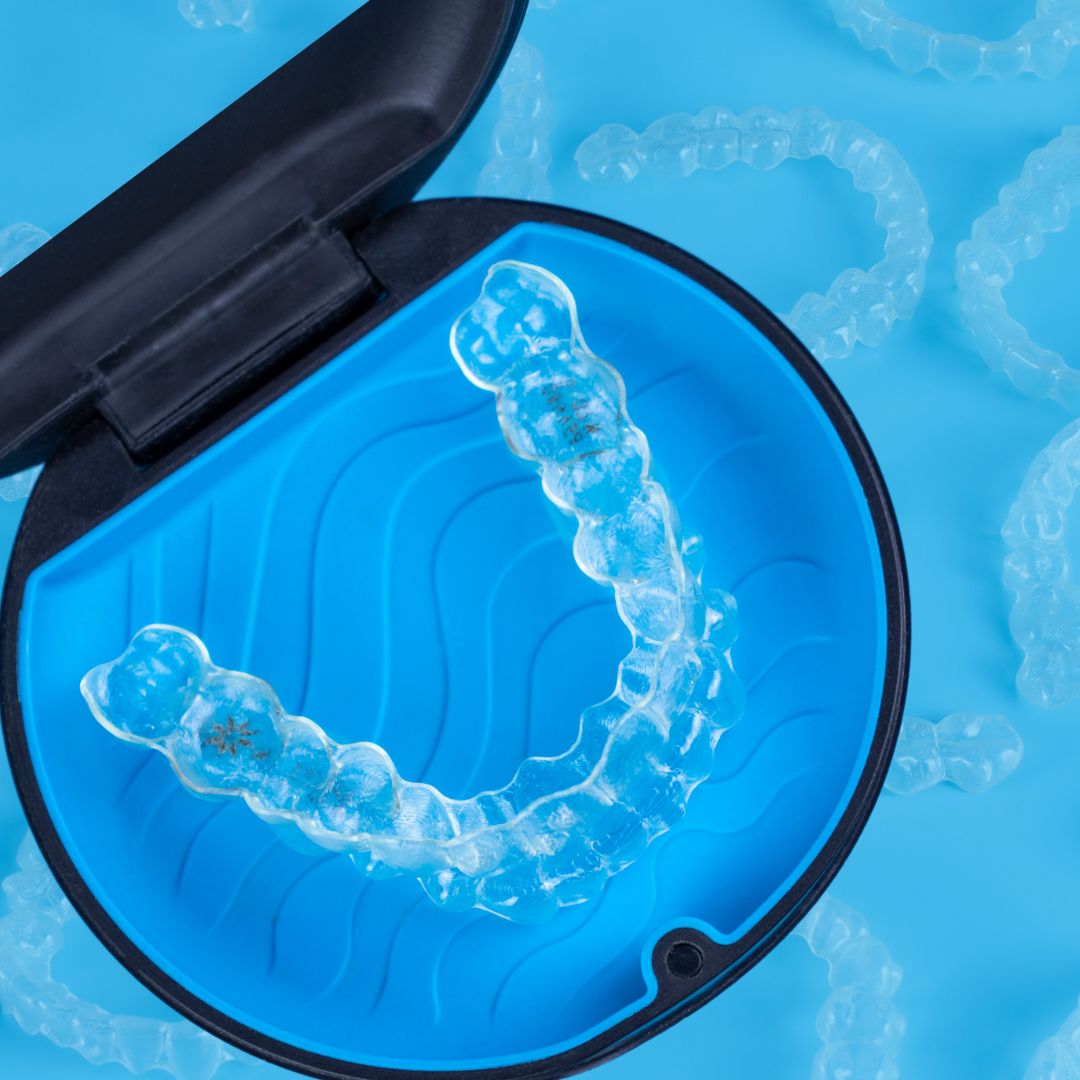
The Problem: Alignment Is Often Treated Without Functional Context
In conventional orthodontics, straightening teeth is frequently treated as the primary objective.
When alignment is pursued without comprehensive functional evaluation, treatment may proceed without fully accounting for:
- How teeth contact and function under load
- Occlusal forces that influence long-term stability
- Jaw position and functional balance
- Airway-related considerations affected by dental alignment
- The impact of tooth movement on existing restorations
When alignment is achieved without functional integration, teeth may relapse, restorations may fail, and long-term stability is compromised.
This is not an orthodontic failure. It is a planning failure.
How Dr. Vigoren Approaches Invisalign Differently
Dr. Greg Vigoren approaches Invisalign as part of a functional orthodontic framework — not as a cosmetic alignment service.
Every orthodontic recommendation begins with a single guiding question: Will moving these teeth improve long-term function, stability, and oral health?
Invisalign is used only when tooth movement can be integrated into a stable occlusal and biological system.
This approach allows Dr. Vigoren to:
- Align teeth without compromising functional bite relationships
- Reduce relapse by addressing underlying functional forces
- Coordinate orthodontic care with restorative planning
- Support airway and long-term oral stability when appropriate
Alignment is never pursued in isolation from function.

Diagnosis, Function, and Orthodontic Planning
Functional orthodontic care at our practice is diagnosis-driven.
Evaluation may include:
- Assessment of occlusion and bite dynamics
- Evaluation of jaw position and functional loading
- Review of existing restorations and structural demands
- Consideration of airway-related factors when clinically relevant
Tooth movement is planned to support long-term stability — not alignment alone.
Who Invisalign & Functional Orthodontics Are — And Are Not — For
This approach may be appropriate for patients who:
- Want orthodontic improvement that supports long-term function
- Have bite issues affecting tooth wear or restorations
- Are planning restorative treatment requiring orthodontic coordination
- Value stability over rapid cosmetic change
This approach may not be appropriate for patients who:
- Are seeking cosmetic alignment without functional evaluation
- Expect standardized orthodontic protocols
- Prefer speed over diagnostic precision
Orthodontic movement must be justified by function — not appearance alone.
What Patients Can Expect:
Functional orthodontic care begins only after comprehensive diagnosis is complete.
When Invisalign treatment is appropriate, care follows a structured sequence:
- Evaluation of occlusion, function, and long-term stability
- Determination of orthodontic goals beyond alignment
- Planning of tooth movement within functional limits
- Execution using Invisalign under monitored progression
- Verification of stability and integration with overall oral health
Patients are guided through each stage and are never directed toward orthodontic treatment without clear functional rationale.
Frequently Asked Questions
Next Step
If you are considering Invisalign — or questioning whether orthodontic treatment will improve long-term function — a comprehensive diagnostic evaluation is the appropriate starting point.
You may schedule an appointment to determine whether Invisalign can be used as part of a functional, stable treatment plan.
We work with many insurance plans and offer flexible financing options for major treatments.